Why Can't Some People Stop Seeking Excitement?
"I can't live without adrenaline."
"I work better under pressure." "I can't start anything until the last minute." "I feel most alive when there's a crisis."
Most of us have heard these at some point. We usually interpret them as personality traits: an adventurous spirit, a love of risk-taking, an addiction to excitement.
But what if it's less about character and more about how the nervous system learned to navigate the world?
Some people may not actually be seeking excitement. Their nervous system may be trying to find its way back to the level of arousal that feels most familiar.
Safety Doesn't Always Feel Like Stillness
We tend to associate safety with calm, peace and relaxation. But from the nervous system's perspective, safety doesn't always mean quiet.
For people who grew up in environments marked by chronic stress, neglect, unpredictability, or constant alarm, the nervous system can gradually code that high level of arousal as "normal".
As a result, in adult life, being constantly busy, working right up to a deadline, producing under high pressure, or solving a crisis may feel not good — but familiar.
This is an important distinction. Familiar and good-feeling are not the same thing.
Is the Brain Seeking Excitement — or the Familiar?
The nervous system tends to prefer experiences it can predict over new ones. And here's the paradox: for someone whose childhood was chaotic, even chaos can feel predictable.
Intense pace, uncertainty, last-minute pressure, high risk — these can be processed by the brain as the "usual way of functioning". This isn't a conscious choice. It may be a physiological adaptation built up over many years.
Early Life Experiences Can Shape the Reward System Too
Neuroscience now shows us that not only the stress system but the reward system is also shaped by early life experiences. Research suggests that early life stress can lead to changes in reward-processing regions of the brain, affecting motivation and reward-seeking in later life.
In some individuals this may create lower sensitivity to everyday rewards, while in others it may increase the pull toward more intense stimulating experiences.
So the question isn't simply about wanting more dopamine. The more meaningful question is:
What level of intensity has the nervous system learned to call normal?
Seeking Excitement Doesn't Always Mean Loving Adventure
A trauma-informed approach looks at the function of a behaviour before the behaviour itself. A person might constantly jump into new projects, take excessive risks, wait until the last moment, or prefer to produce only under intense pressure.
Each of these behaviours can arise for different reasons. Sometimes from a genuine desire to explore. Sometimes from personality. And sometimes from the nervous system's effort to recreate the level of arousal it has grown used to.
It would be wrong to say that every person who takes risks has a trauma history. But there is meaningful research linking early life stress, impulsivity and sensation-seeking.
What Do Myotherapy and Trauma-Informed Yoga Say at This Point?
The nervous system is shaped not only by mental experiences, but by physical ones too. Chronic high arousal leaves its mark in the muscles, the breath, posture and fascial tension.
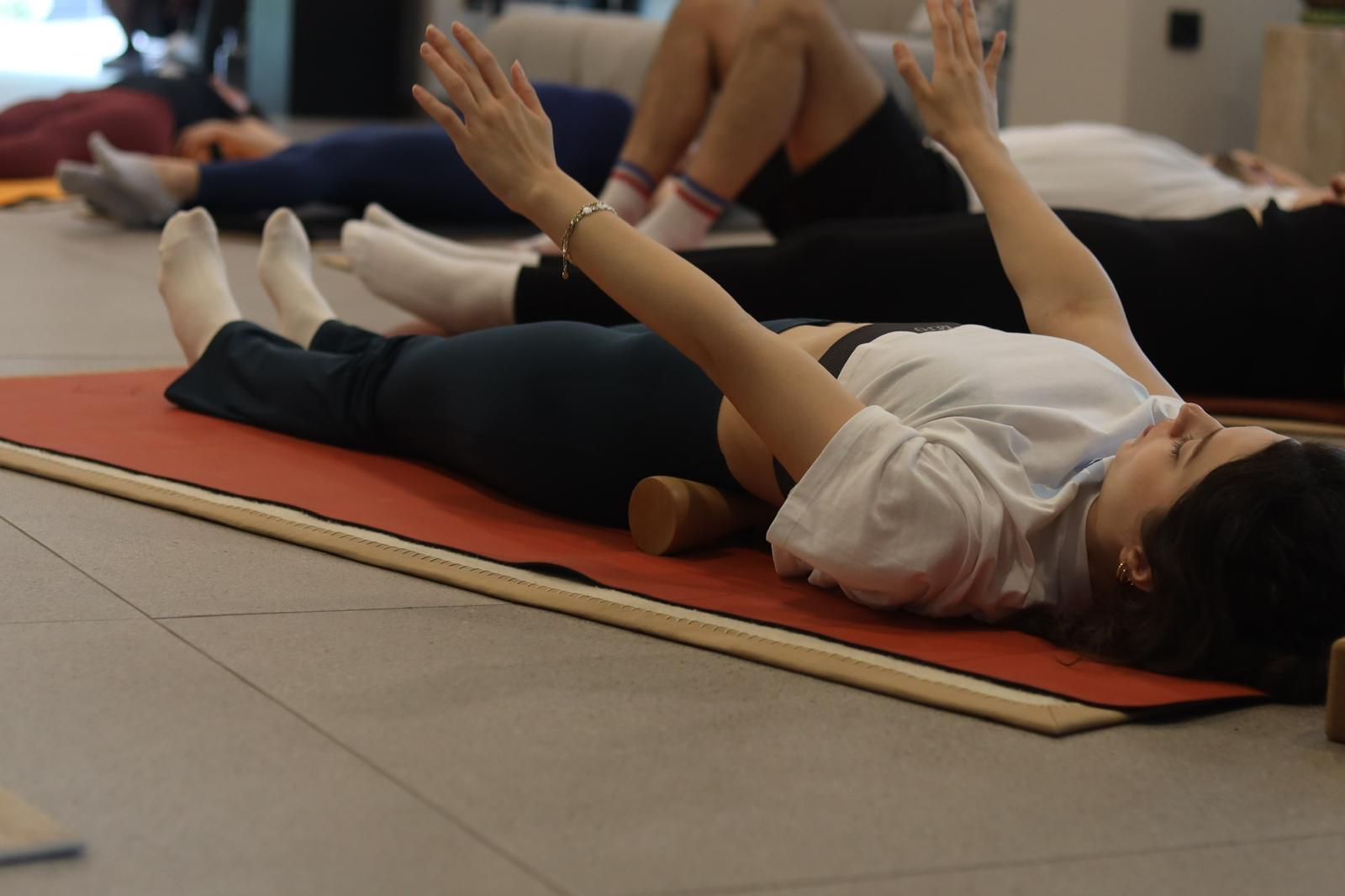
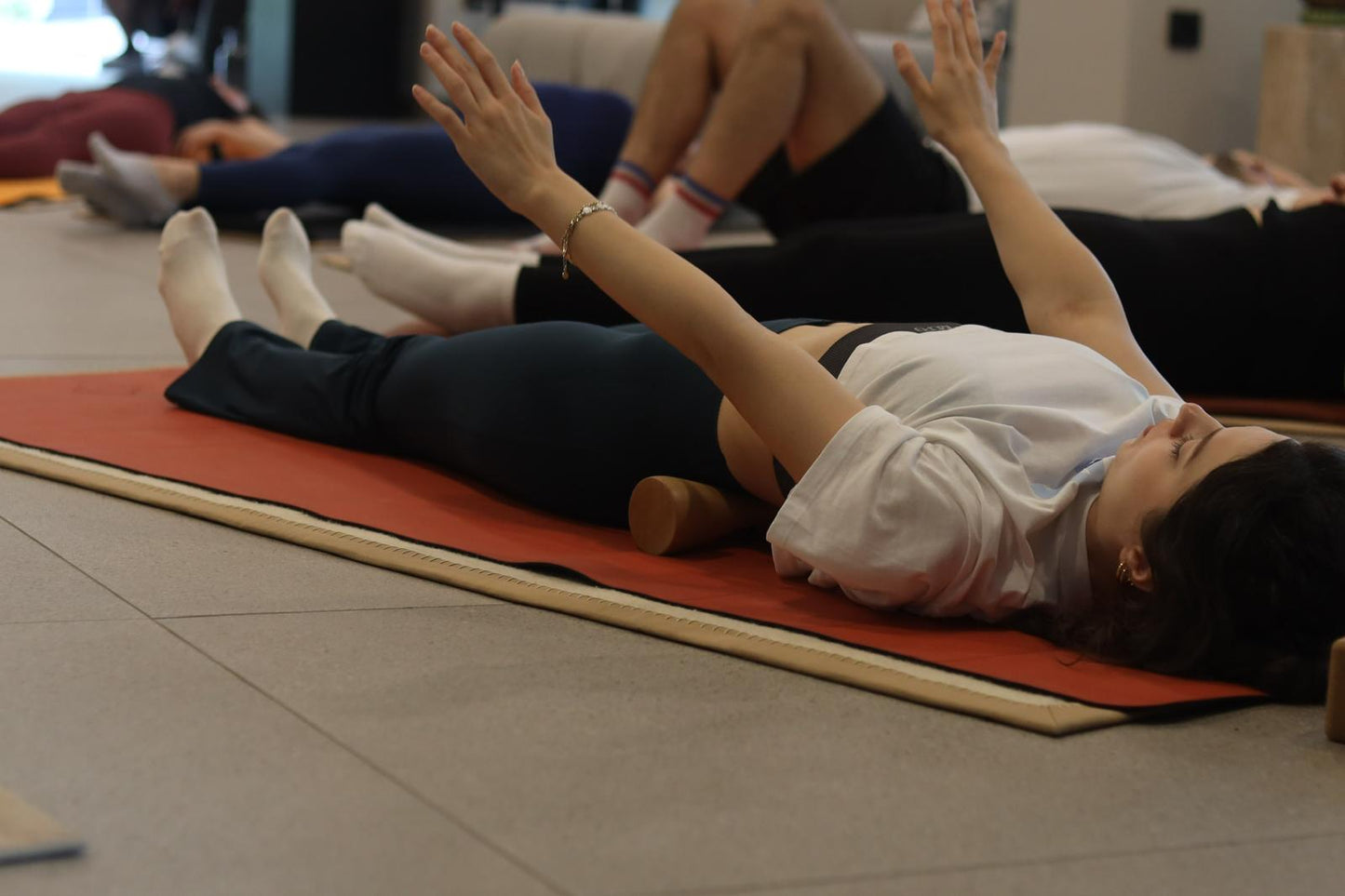
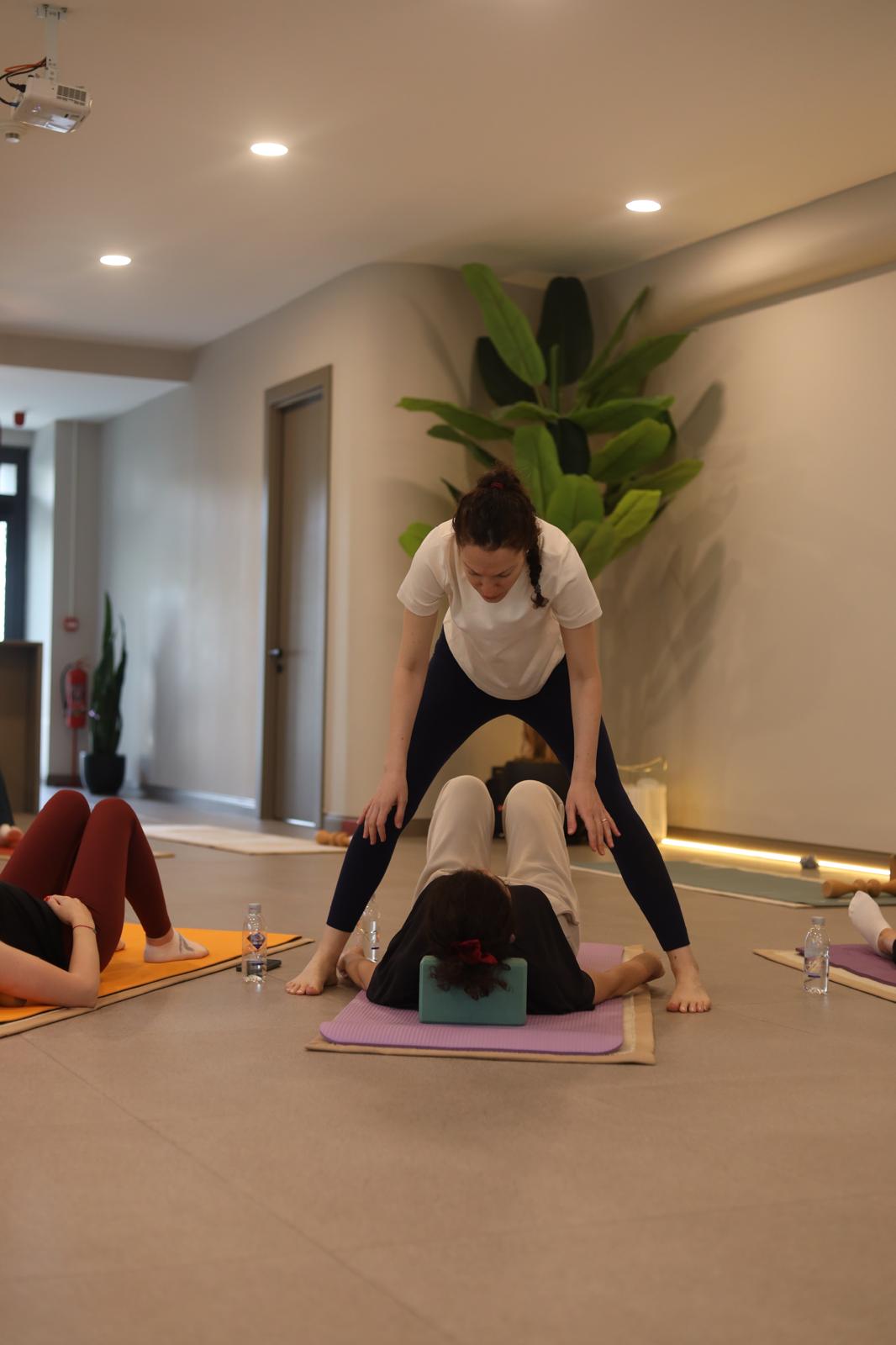
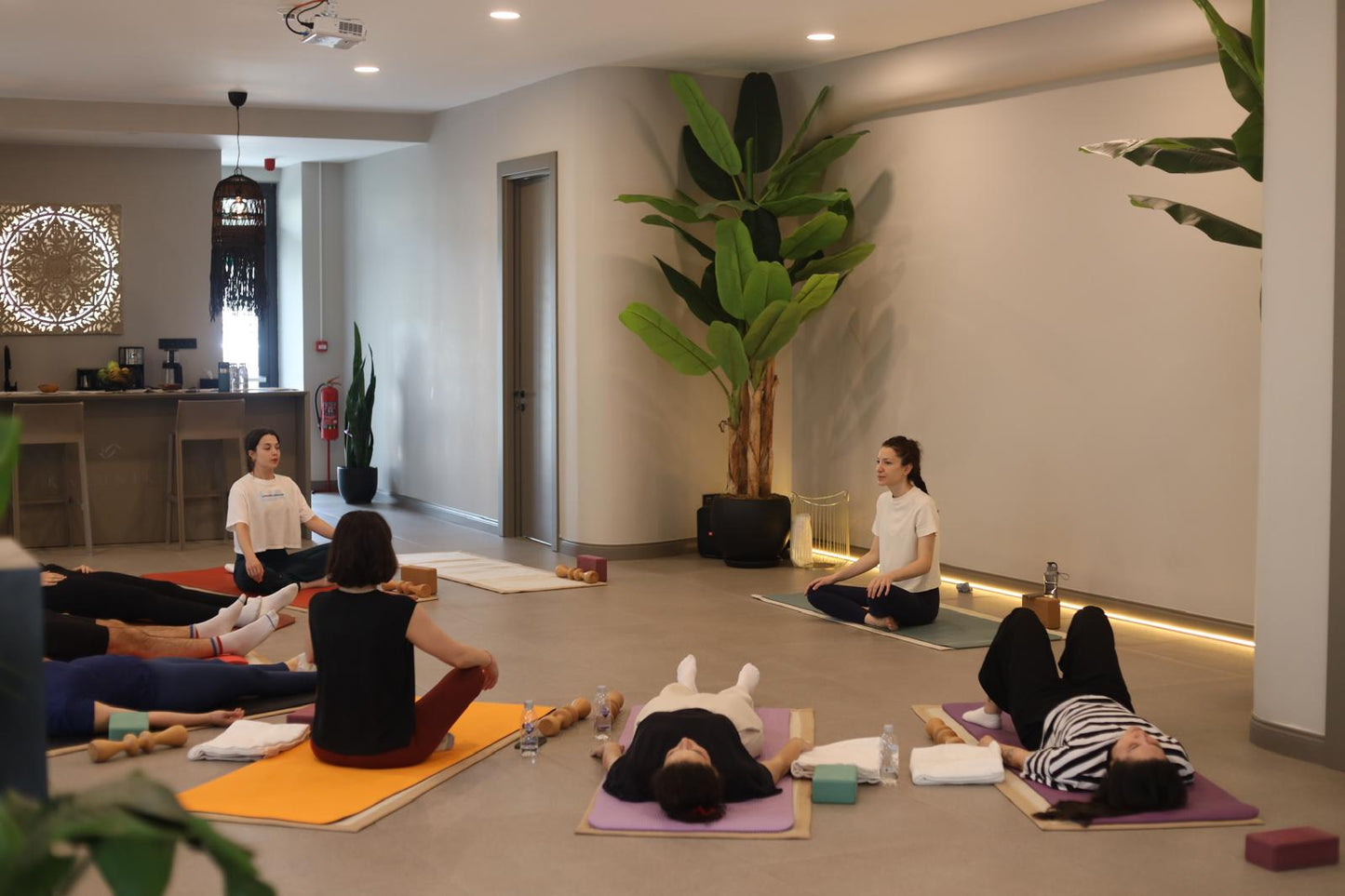
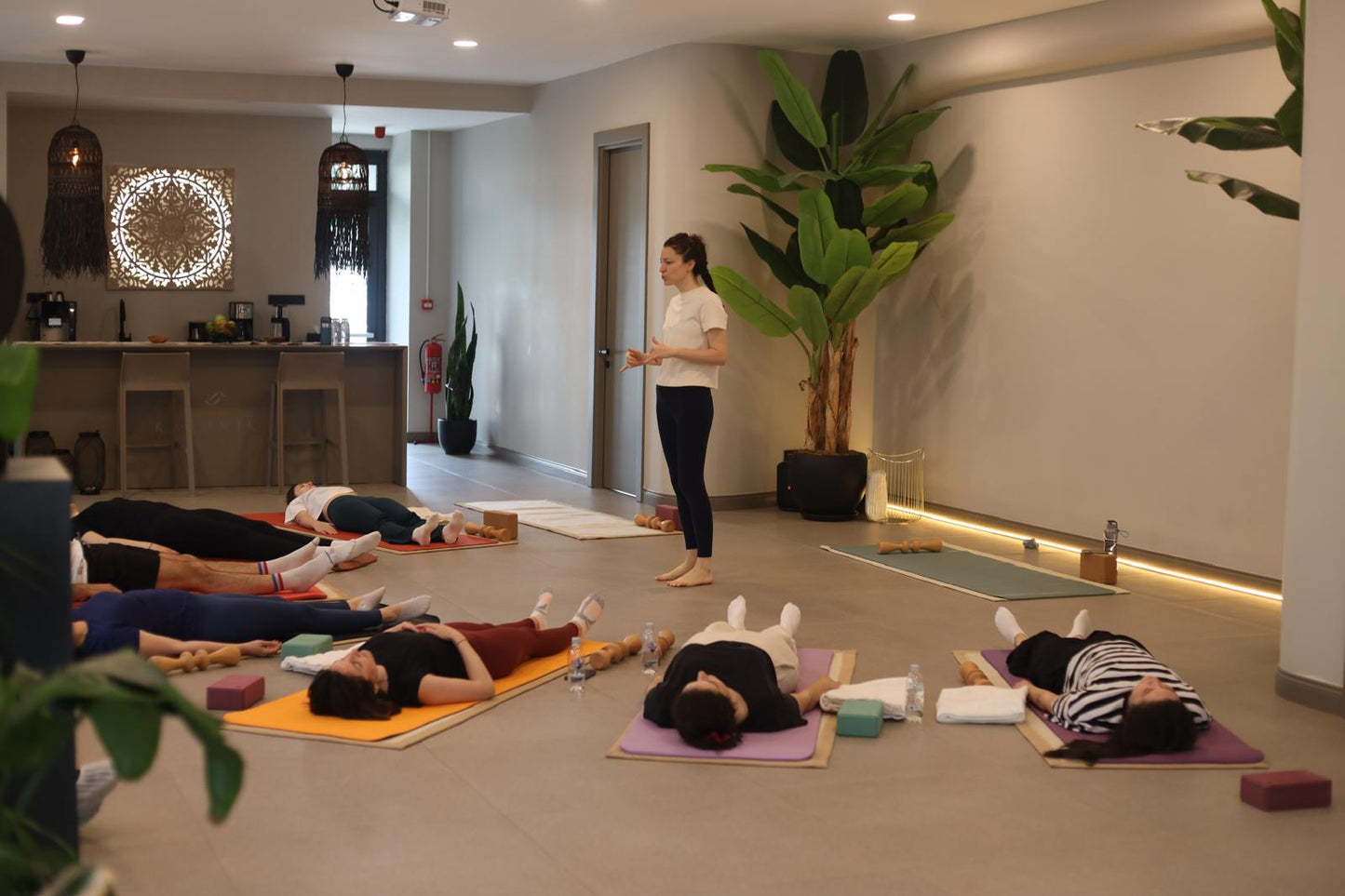
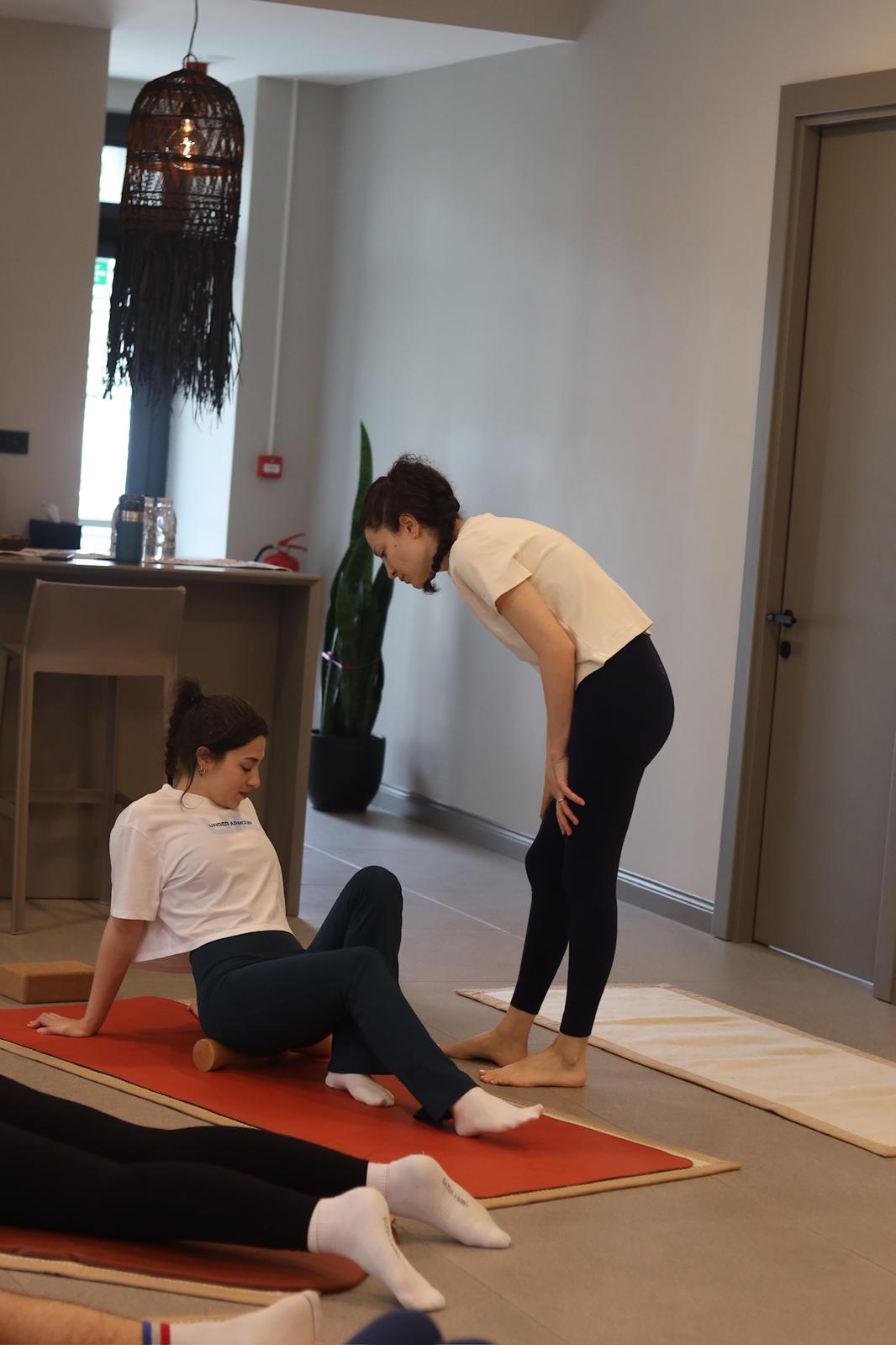
This is exactly where myotherapy and trauma-informed yoga practice come in: the body begins to learn how to step out of the alarm mode it has maintained for years — this time not from fear, but from safety.
These practices don't say "learn to be calm". Instead, they offer the nervous system an experience: stillness can become familiar too. And once it becomes familiar, it no longer feels like a threat.
Perhaps the Question We Need to Ask Has to Change
Instead of "Why do I keep seeking excitement?" — asking "What level of intensity does my nervous system feel at home with?" may be far more revealing.
Because healing is rarely about eliminating excitement entirely. Sometimes the goal is to let the nervous system experience something for the first time:
Being calm can also be safe.
And perhaps that is the hardest thing to learn. Because for a truly regulated nervous system, peace isn't boring — it's simply a sustainable rhythm of living that contains no threat.
Seeking excitement isn't always about loving adventure.
Sometimes it's about trying to return
to the only rhythm the nervous system has ever known.