What Have We Talked About So Far?
We started with fascia.
What it is, how the body remembers, why back pain keeps coming back... From there we moved to the nervous system. To the sense of safety, the language of touch, what posture is really saying.
Time passed. The posts accumulated. And I noticed that we've been saying the same thing all along. Just through different doors.
The body is a whole. And to understand that whole, sometimes you need to see the same thing from different angles.
This post is a summary. But it's also an invitation: to bring together what you've read so far, and look at your body with fresh eyes.
It All Started with Fascia
Since the very first post, the most common question has been about fascia. "What is it, and why does it matter so much?"
Fascia is the connective tissue that wraps around every structure in the body, muscles, organs, nerves. It holds everything together. And that's why shoulder pain sometimes begins not in the shoulder, but in the lower back. Why back pain is sometimes connected to digestion. The body is that interconnected.
In the Fascia Fitness post, we explored this for the first time. That the "inexplicable tightness" so many people feel often comes from the fascia and that this tissue can soften through movement, breath, and careful, attentive work.
Then We Talked About the Nervous System
"Without a sense of safety, there is no organisation" this post landed with a lot of people.
The nervous system is in constant assessment: Am I safe, or not? Depending on the answer, muscles tighten or release, breath narrows or opens, the voice changes.
In the post on touch, we saw this: contact isn't only physical. The nervous system feels another nervous system. This is why it's no coincidence when someone says in a myotherapy session: "your calm transfers to me."
On Being Yourself
"Are you safe enough to be yourself?" became one of the most-read posts on this blog.
Because when most of us say "I struggle to express myself," we interpret it as a personality trait. But most of the time, it has less to do with character and more to do with the nervous system's sense of safety. When the body feels safe, the voice opens on its own. Words come more easily.
The Power of Small Moments: Glimmers
The "glimmers" post was perhaps the gentlest reminder of all.
The nervous system isn't only shaped by stress. Sunlight on your face, a familiar scent, a genuine laugh, these carry the signal "I am safe" to the nervous system. And when these small moments are noticed and lingered in, the body slowly begins to move out of its defensive state.
Sometimes healing doesn't begin with big changes, it begins with small glimmers scattered through the day.
Balance, Yoga, and the Relationship with Your Body
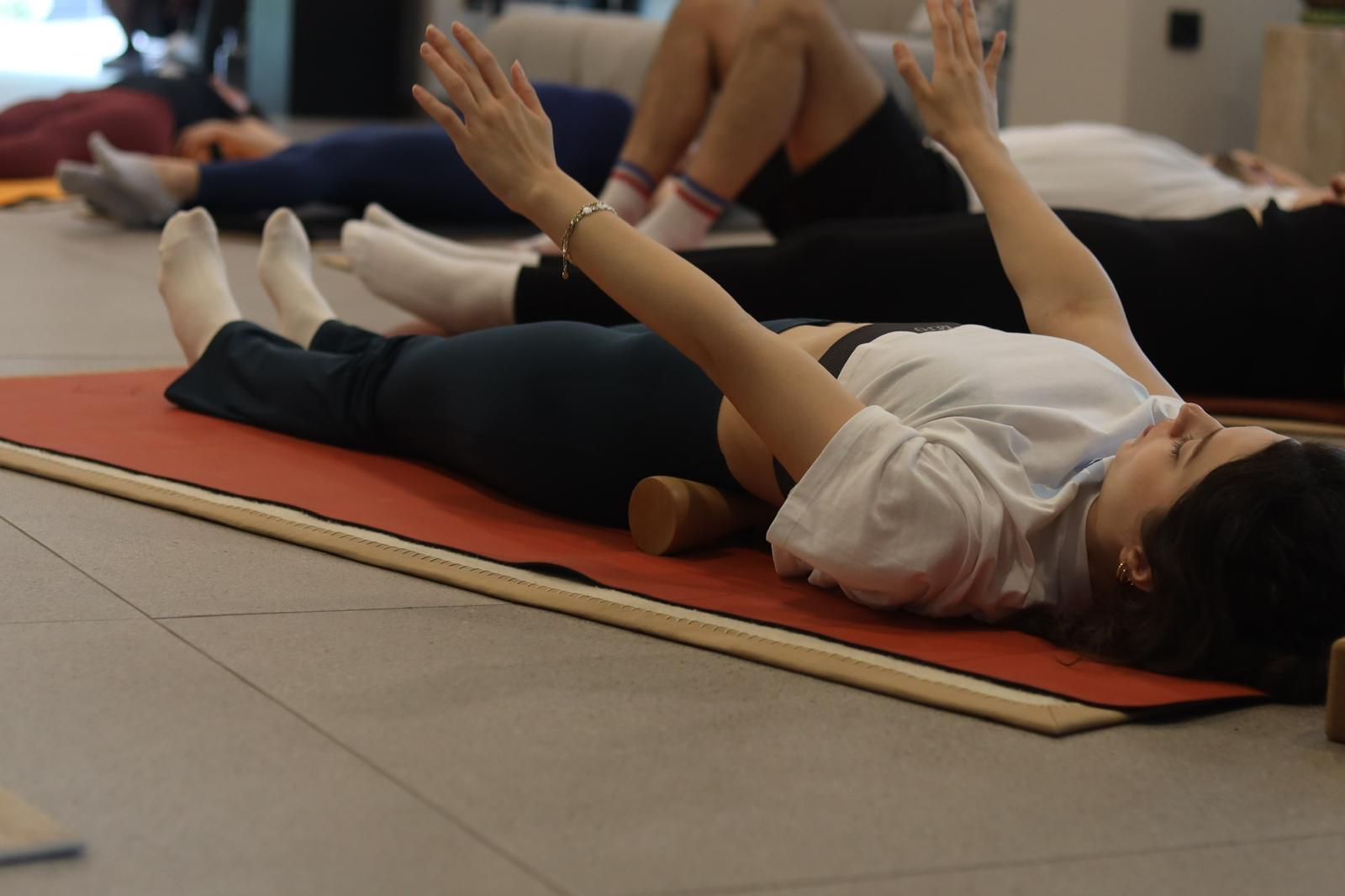
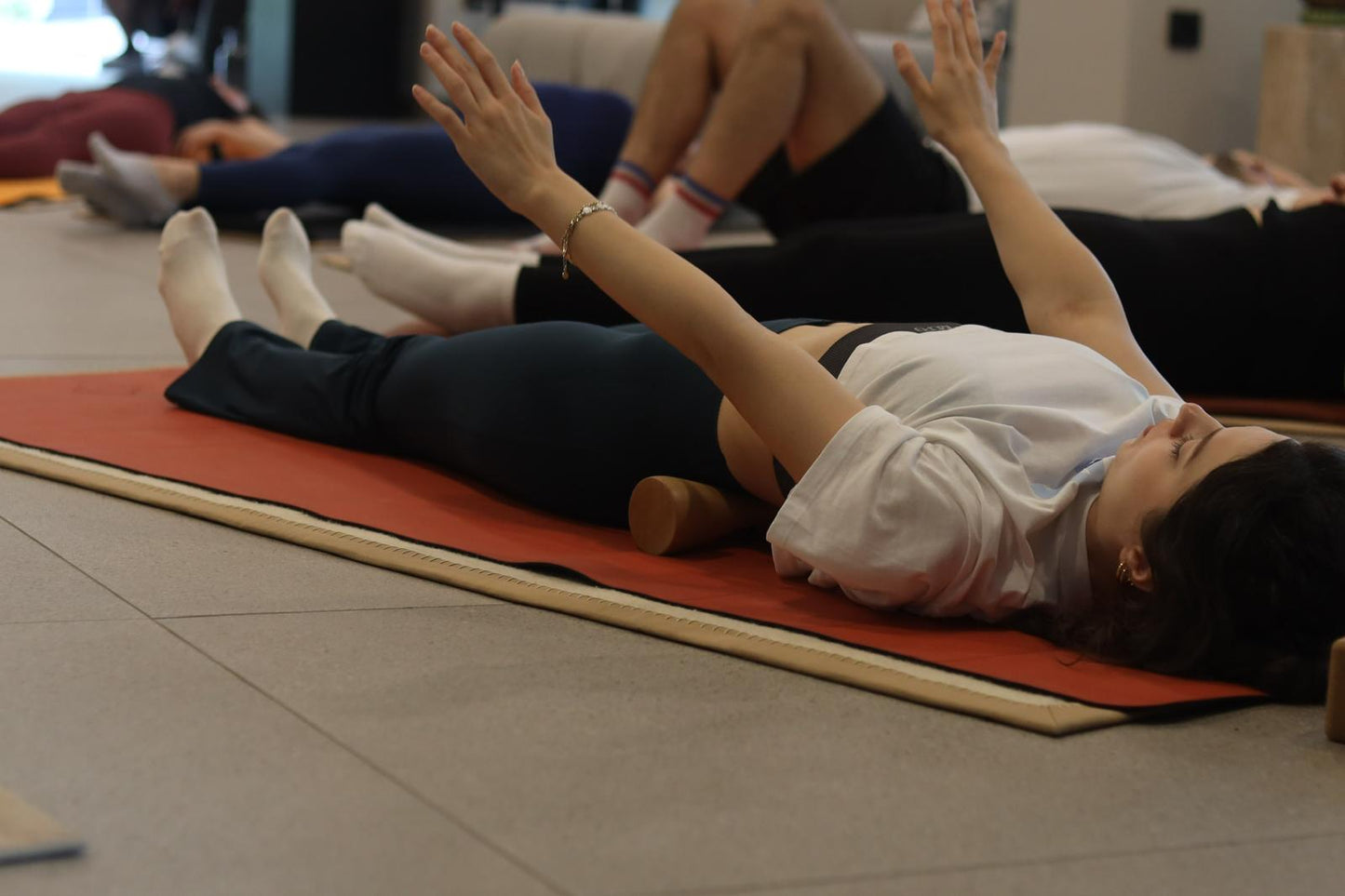
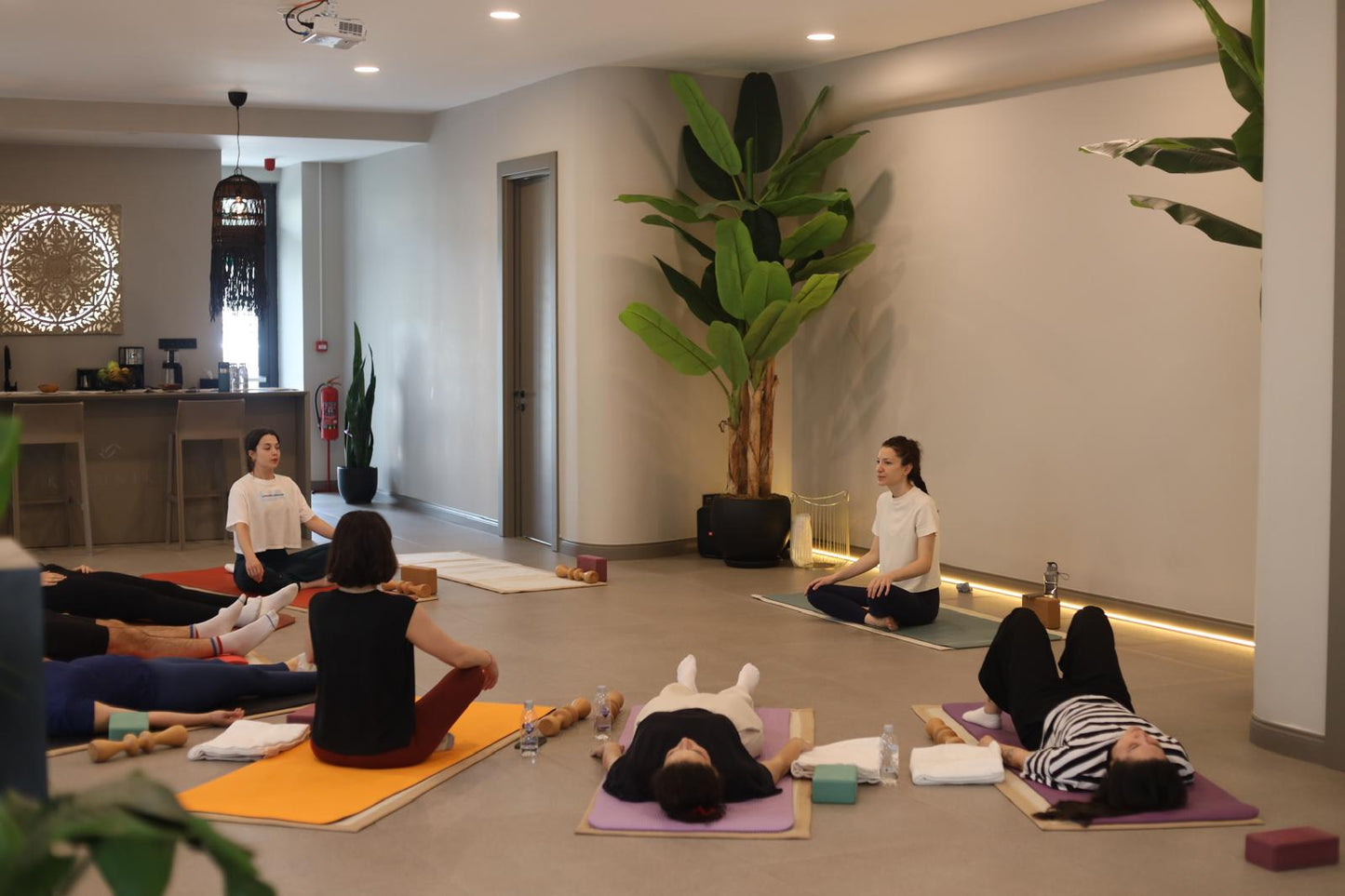
In the yoga posts, we talked about the body before the form. In a trauma-informed approach, the goal isn't to get into the "right position" it's to listen to what the body is saying in that moment.
In the balance post, we saw: balance isn't stillness. Anger is balance. Crying is balance. Balance becomes possible when we can move through these feelings rather than around them.
And with muscles, we said the same thing: more exercise isn't always the answer. Sometimes the body wants to release first, to open space. Strengthening only creates its real effect after that.
So Where to From Here?
While reading these posts, something may have felt familiar. A sentence may have said exactly what you needed in that moment.
Every post at Miyomotion points in the same direction: instead of trying to fix the body, inviting it to be heard.
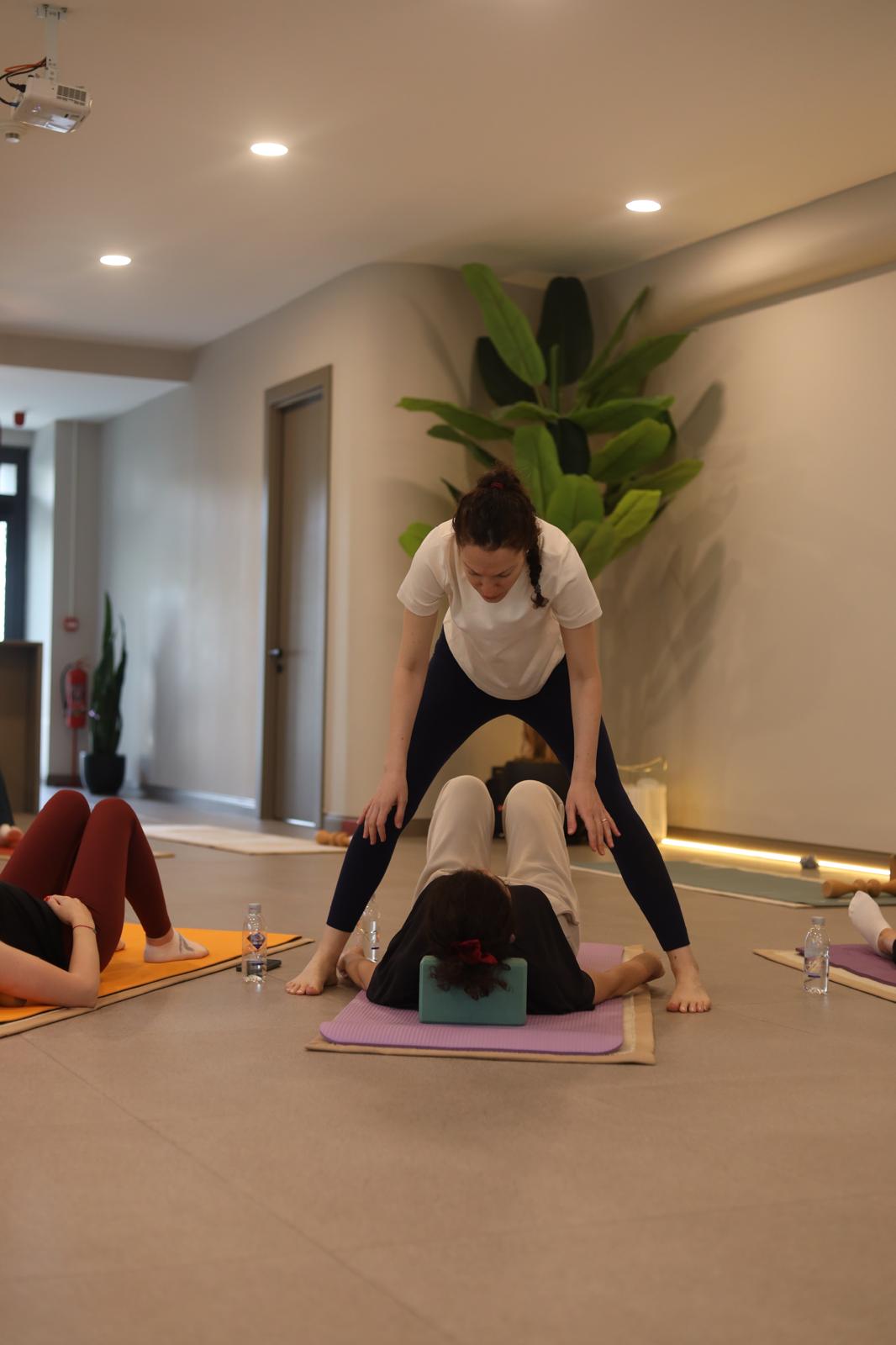
A myotherapy session begins from exactly that place. Not with a diagnosis but, with a conversation. With understanding where the body is today.
If you've been feeling like "something has been building up" for a while, or if you'd like to look at your body from a different angle, maybe now is the right time.
The body is always speaking.
Sometimes all that's needed
is to open a space to hear it.