A Guide to Trauma-Informed Yoga: Building a Safe Relationship with Your Body
Yoga is often seen as a practice of stretching, strengthening, or unwinding. But for some bodies, moving, slowing down, or closing the eyes isn't always a safe experience.
Trauma-informed yoga approaches from a place that considers what the body needs in this moment before form, before technique, before flexibility.
Trauma Lives in the Body
Trauma is often treated as a purely mental experience. But trauma is about the body. The nervous system, muscles, breath, and posture all carry the imprint of what has been lived through.
In a trauma-informed approach, trauma isn't limited to large, dramatic events. Sometimes a boundary being crossed, a need going unmet, or a moment in which the body couldn't feel safe even these can leave a mark.
What matters here isn't the event itself so much as how the body registered that experience. Because the body speaks its own language, and that language isn't always expressed in words.
The Goal Isn't to Reopen Trauma
In trauma-informed yoga, the focus isn't on trauma directly. The aim isn't to reopen it or to re-traumatise anyone, it's to move forward by placing the body's current responses, boundaries, and needs at the centre.
This is exactly what gradually builds greater flexibility in the nervous system, creating space for the effects of trauma to slowly regulate.
Working with the body's present experience can create a far deeper transformation than trying to forcibly process the past.
The Power of Language: Inviting, Not Directing
In this approach, the language used is just as important as the practice itself. Language directly affects the nervous system.
Rather than directive or forceful cues, using invitational language that offers options supports a sense of safety. The aim isn't to make something happen, it's to meet what is, as it is.
What's Different in Practice?
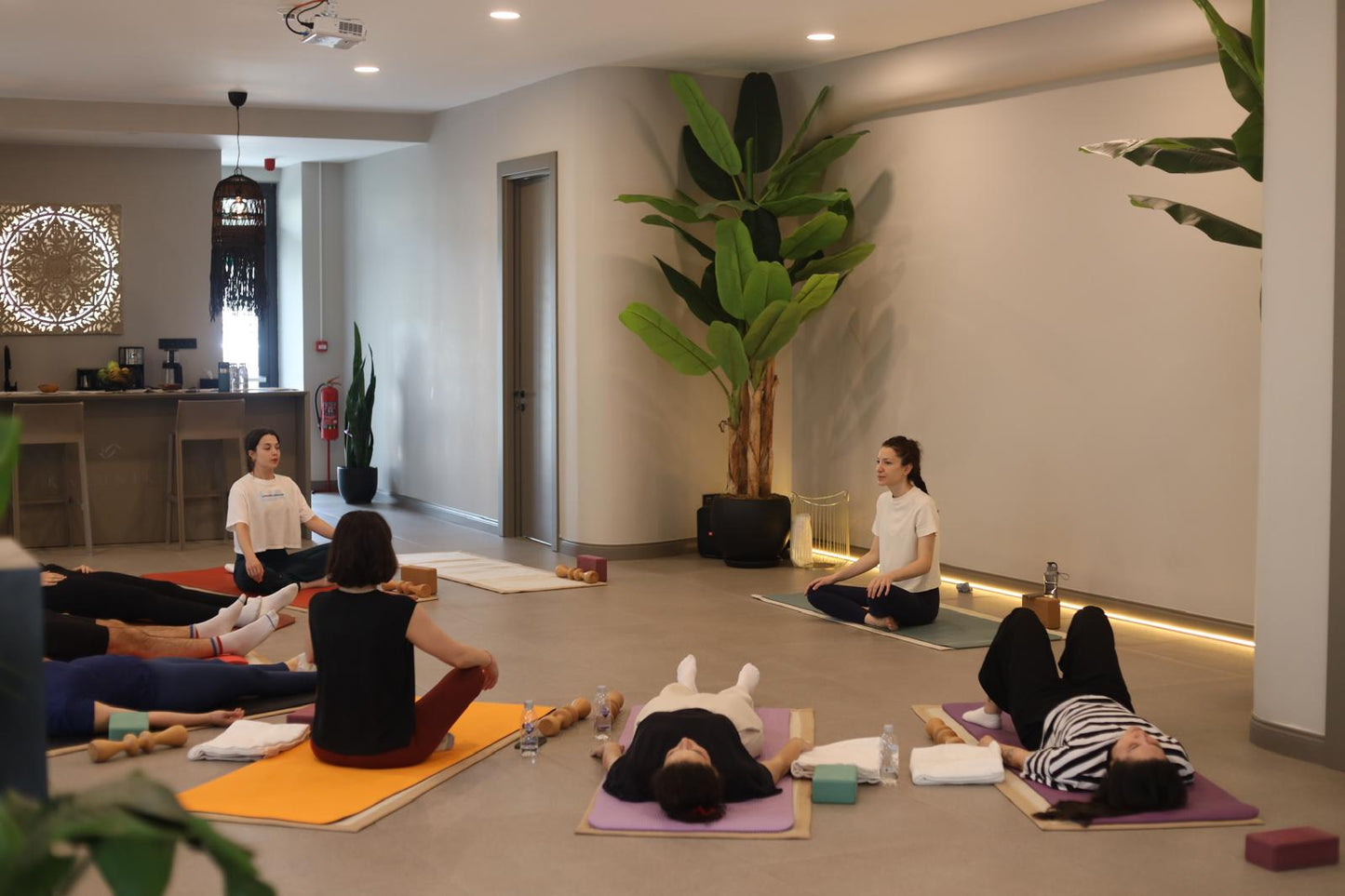
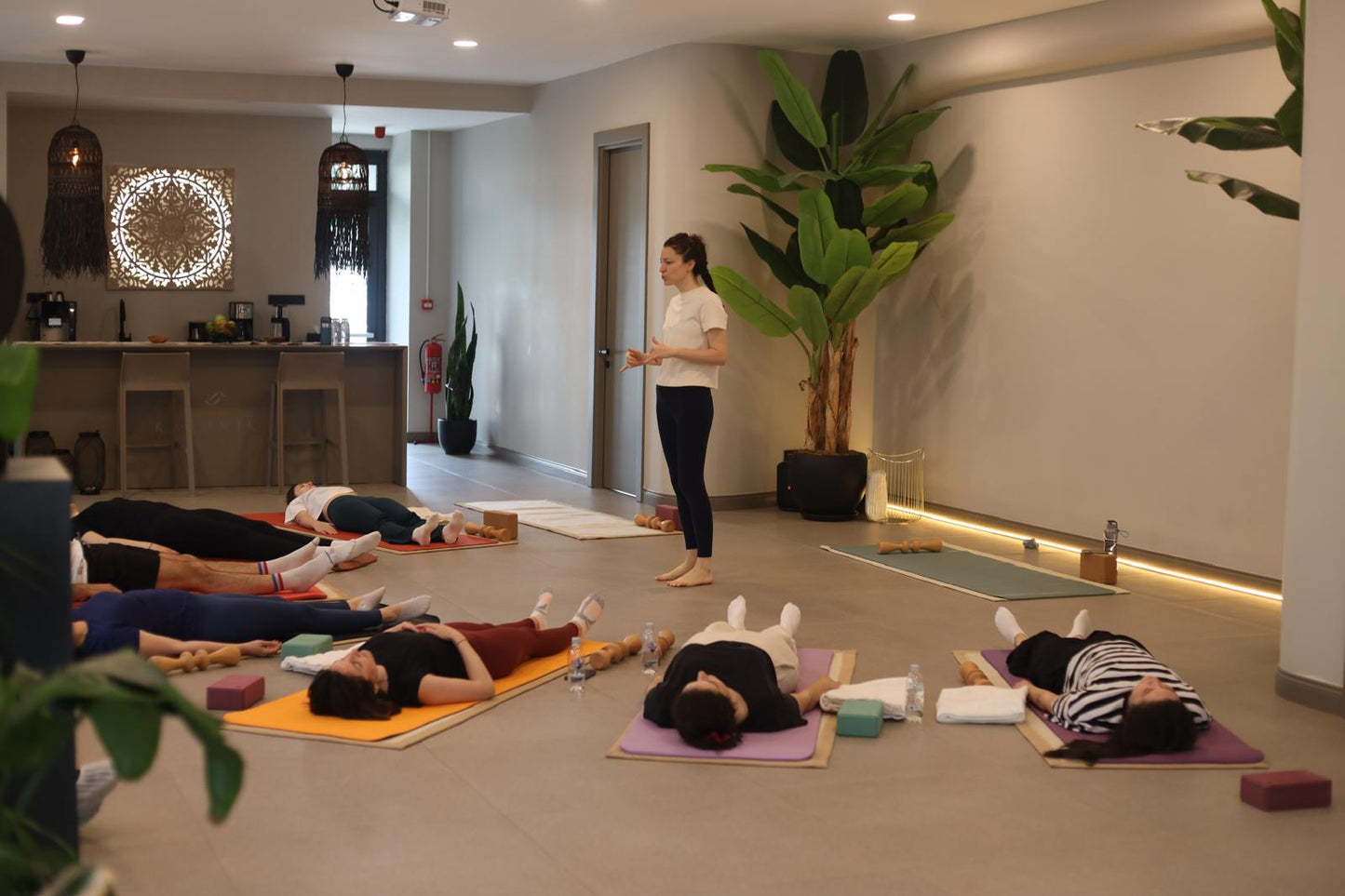
This approach creates a space without force, where options exist and the person has agency over their own experience.
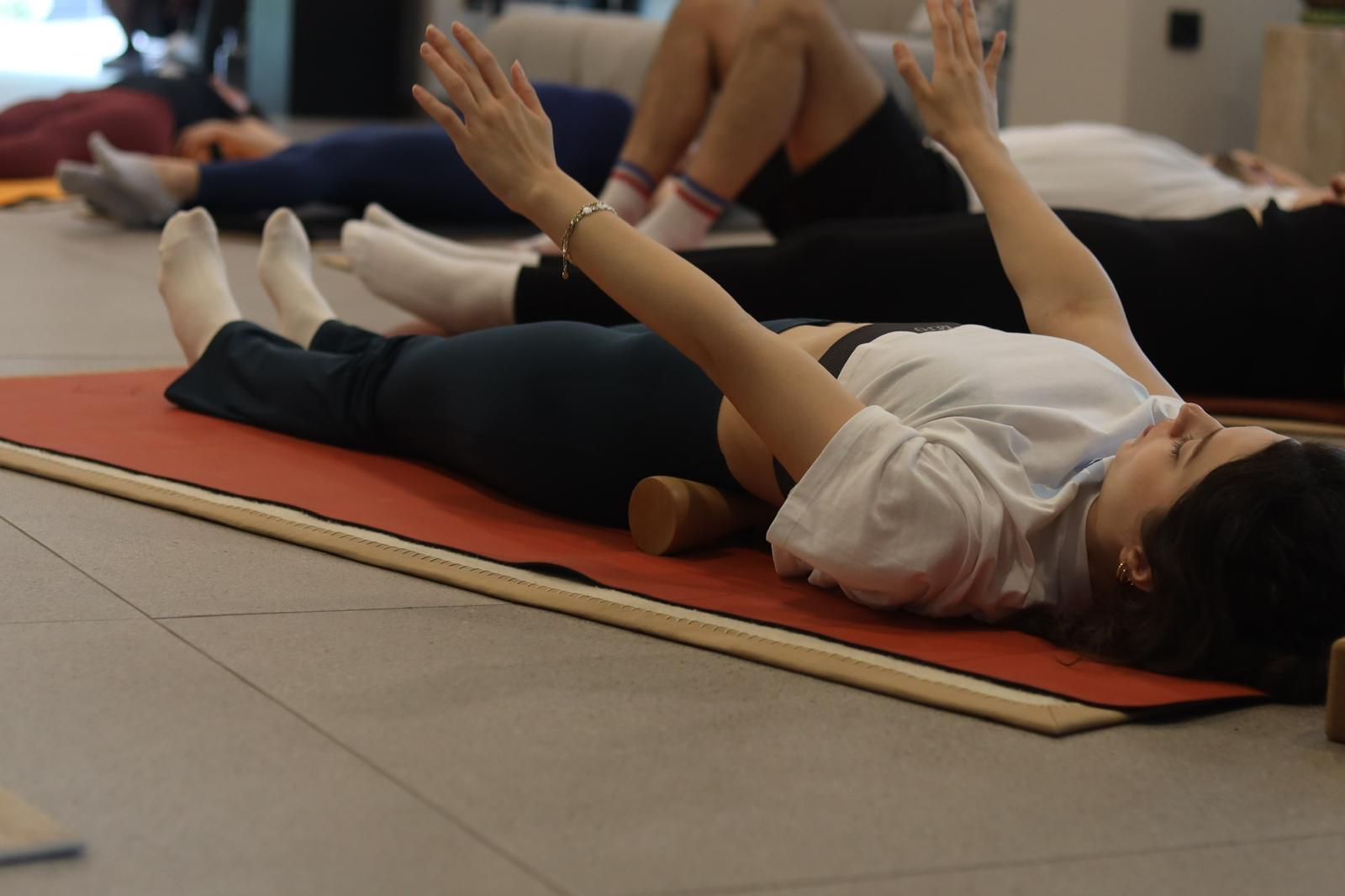
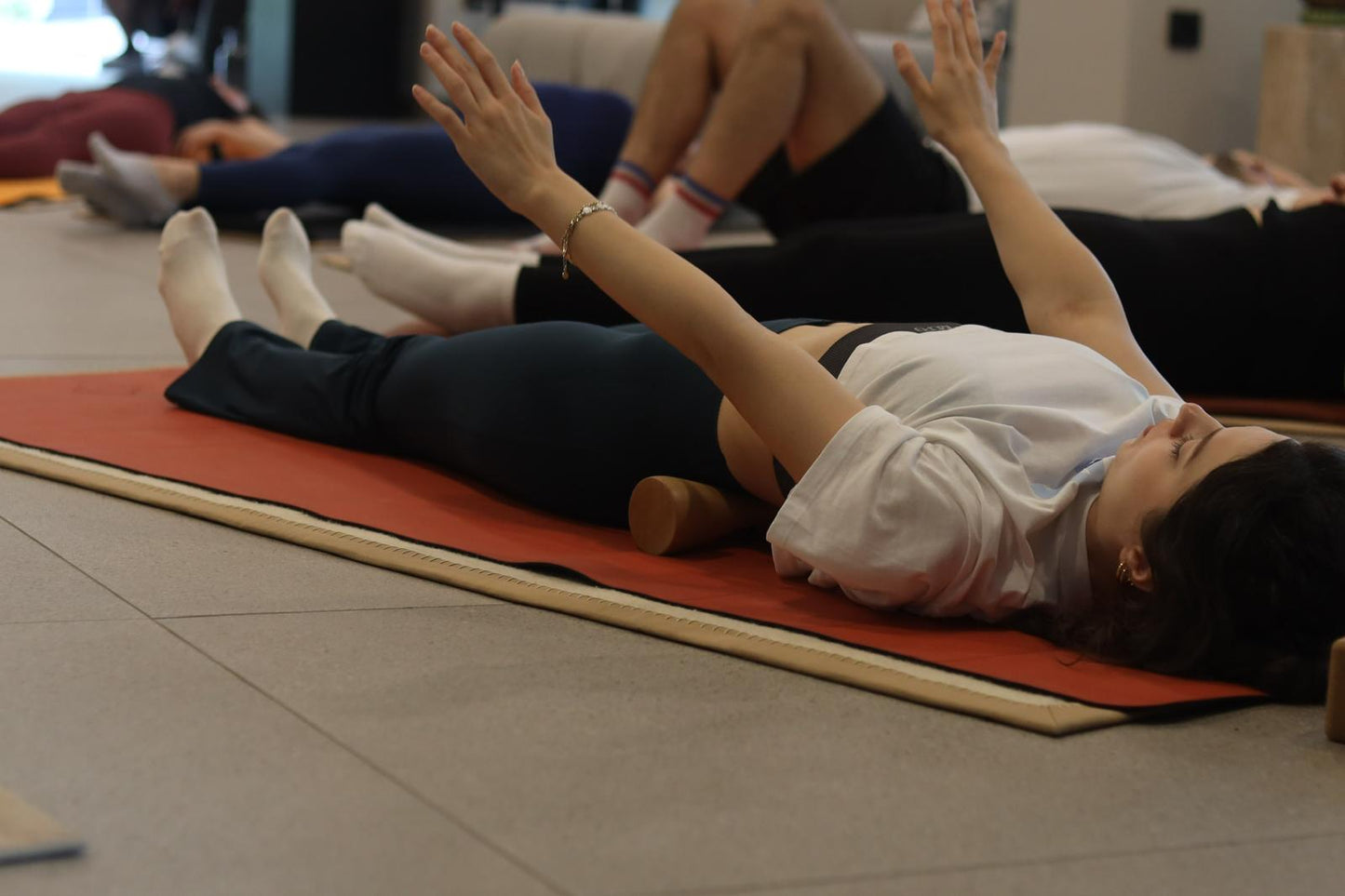
Moving, pausing, modifying, or not participating at all are all part of the practice. Because what truly matters here is the experience of the body being able to choose again, and to hold that sense of control.
Working with the Nervous System
At its core, trauma-informed yoga works with the nervous system. The body is shaped not only by physical movement, but by its sense of safety.
When the nervous system doesn't feel safe, muscles tighten, breath narrows, and the body may withdraw. So the goal isn't to force the body open, it's to allow it to soften within experiences of safety.
Accompanying, Not Teaching
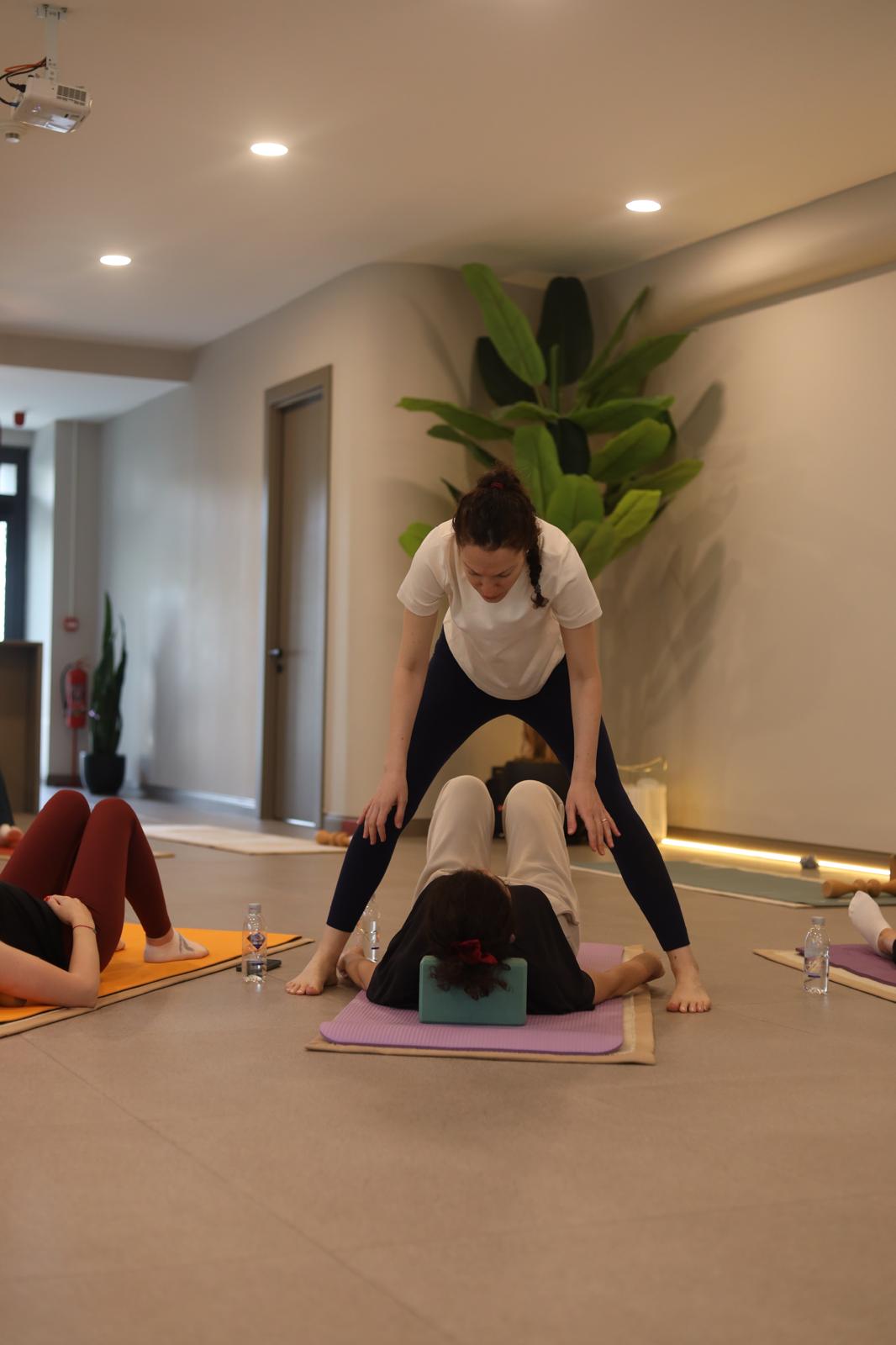
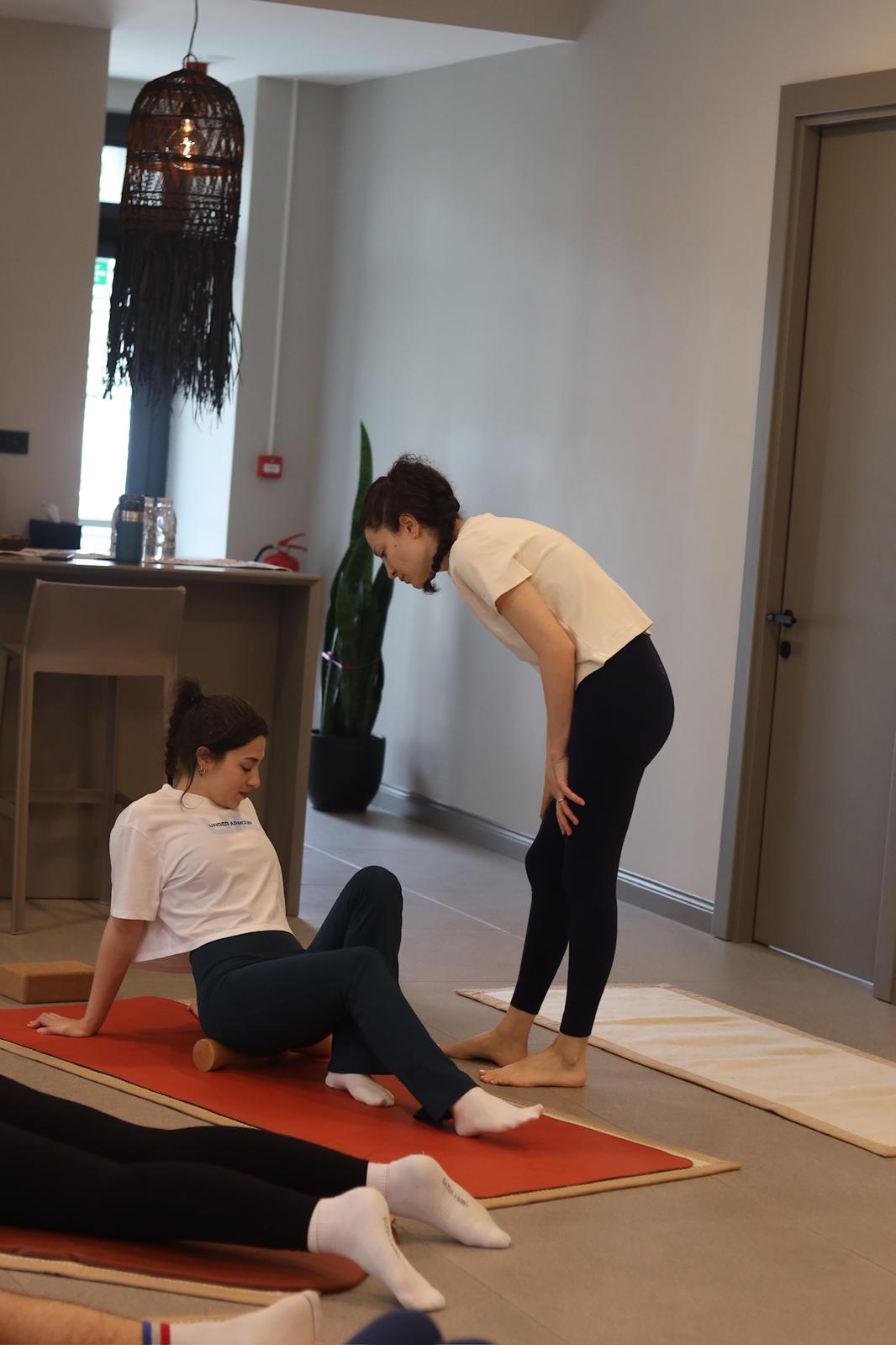
Guidance in this approach also comes from a different place. Accompanying rather than instructing, opening space rather than directing, these are what come first.
Rhythm over speed, awareness over performance. In such a space, the body can begin to find its balance again, in its own time, in its own way.
Trauma-informed yoga is not a 'feel-good' practice.
It's a process that opens space for the body to reorganise at its own pace.
Sometimes the most important shift begins in allowing something to be seen — just as it is.
Want to Go Deeper?
This guide offers an introductory look at trauma-informed yoga. For those who'd like to explore the subject further — including practical content, insights, and ongoing updates — you're welcome to visit the travmabilgiliyoga.tr or Ece Türkmut Dere's page on Instagram.