Releasing Trauma or Integrating It?
In recent years, phrases like 'releasing trauma from the body', 'somatic release', and 'bodily discharge' have become increasingly common in conversations about trauma.
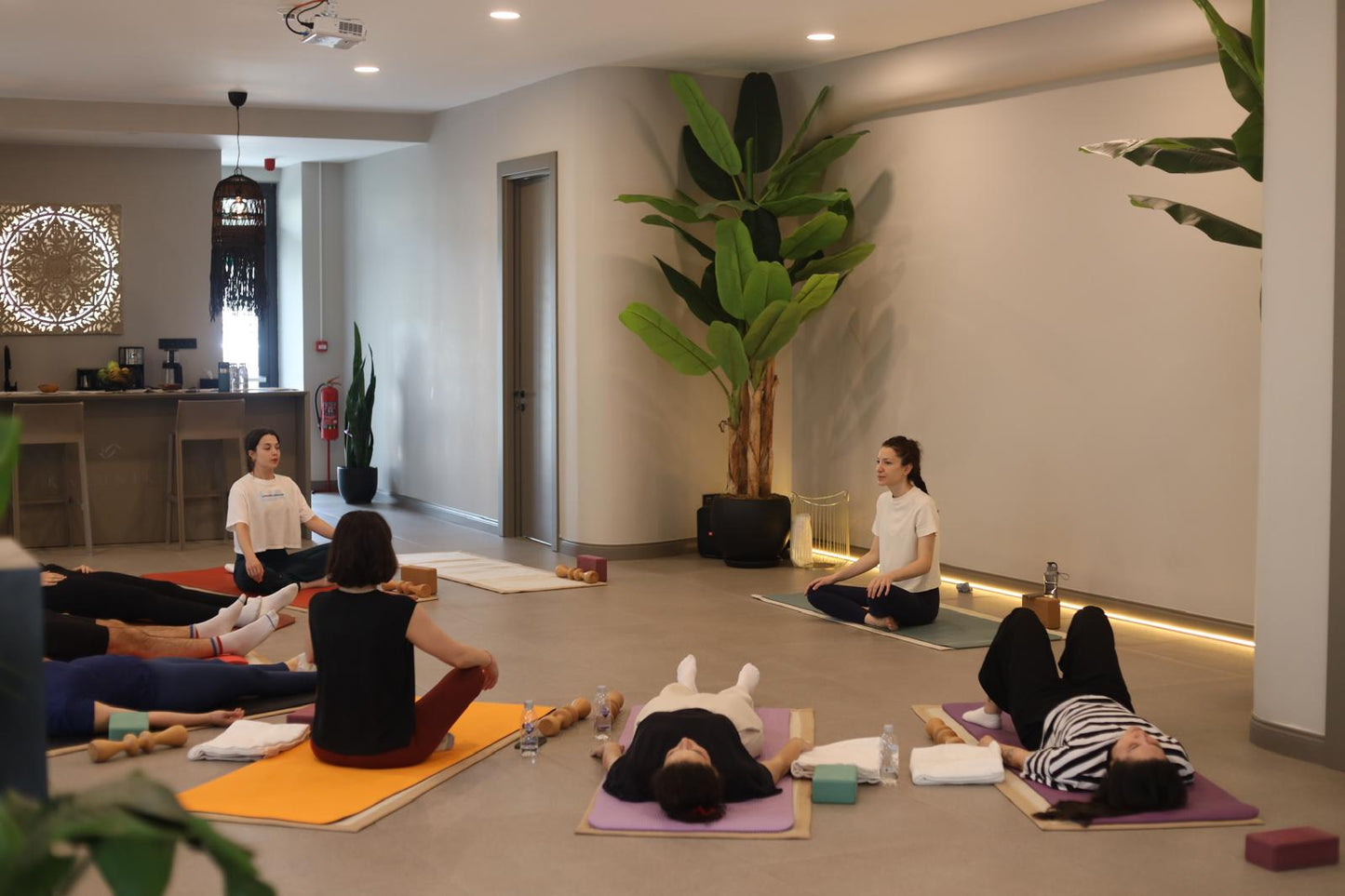
During a session, the body might tremble. Tears may come. The breath might deepen, or an area that has felt tense for a long time may soften. Afterwards, a person may feel a profound sense of lightness.
This experience is real.
The body softening, emotions finding expression, and long-held tension easing can all be genuinely valuable. But there is a small and important distinction worth not losing sight of:
Feeling relief and healing are not always the same thing.
A shift that happens during a session does not necessarily mean that the place that experience holds in your life has permanently changed.
Release Doesn't Have to Be an Ending
The word 'release' describes a recognisable experience: a reduction in the intensity felt in the body, and a sense of feeling lighter.
The limited research available on Somatic Experiencing, a body-oriented psychotherapy approach, suggests it may help reduce post-traumatic stress symptoms. However, these findings don't show that trauma physically leaves the body. Researchers also note that more comprehensive studies are needed.
For this reason, we might think of release not as a definitive ending in which trauma is expelled from the body, but as one of the experiences that can occur along a healing journey.
Sometimes this experience opens a space where a person can rest, feel, or approach a sensation they previously couldn't get close to with a little more safety. But healing from trauma isn't only about a discharge of intensity. How the experience fits into a person's life today also matters.
This is where integration comes in.
What Does Integration Mean?
Integration isn't about forgetting what happened, or acting as if it never did.
It's about a past experience finding a place in a person's life story without having to govern the whole of today.
This shift isn't always large or visible. It may not arrive as intense crying, strong trembling, or dramatic relief.
Sometimes a person notices that in a situation where they previously felt helpless, they now have other options available. Being able to set boundaries more easily. Returning to the present more quickly after being triggered. Being able to get curious about a bodily sensation before rushing to silence or change it. Recognising earlier when rest is needed. Being able to choose one's own pace when moving toward or away from closeness.
All of these can be the quieter, yet meaningful signs of healing.
Why Does Working with the Body Matter?
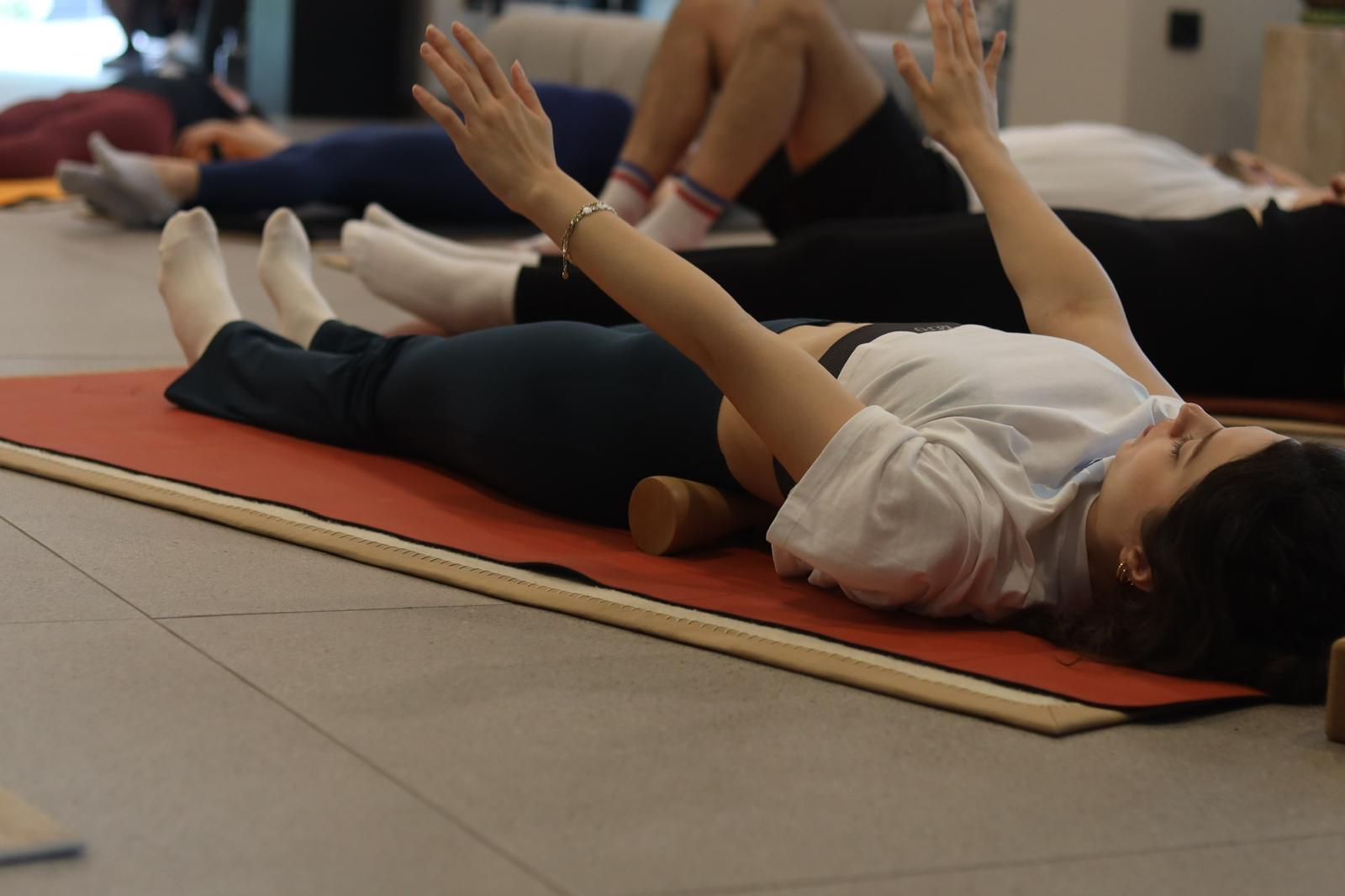
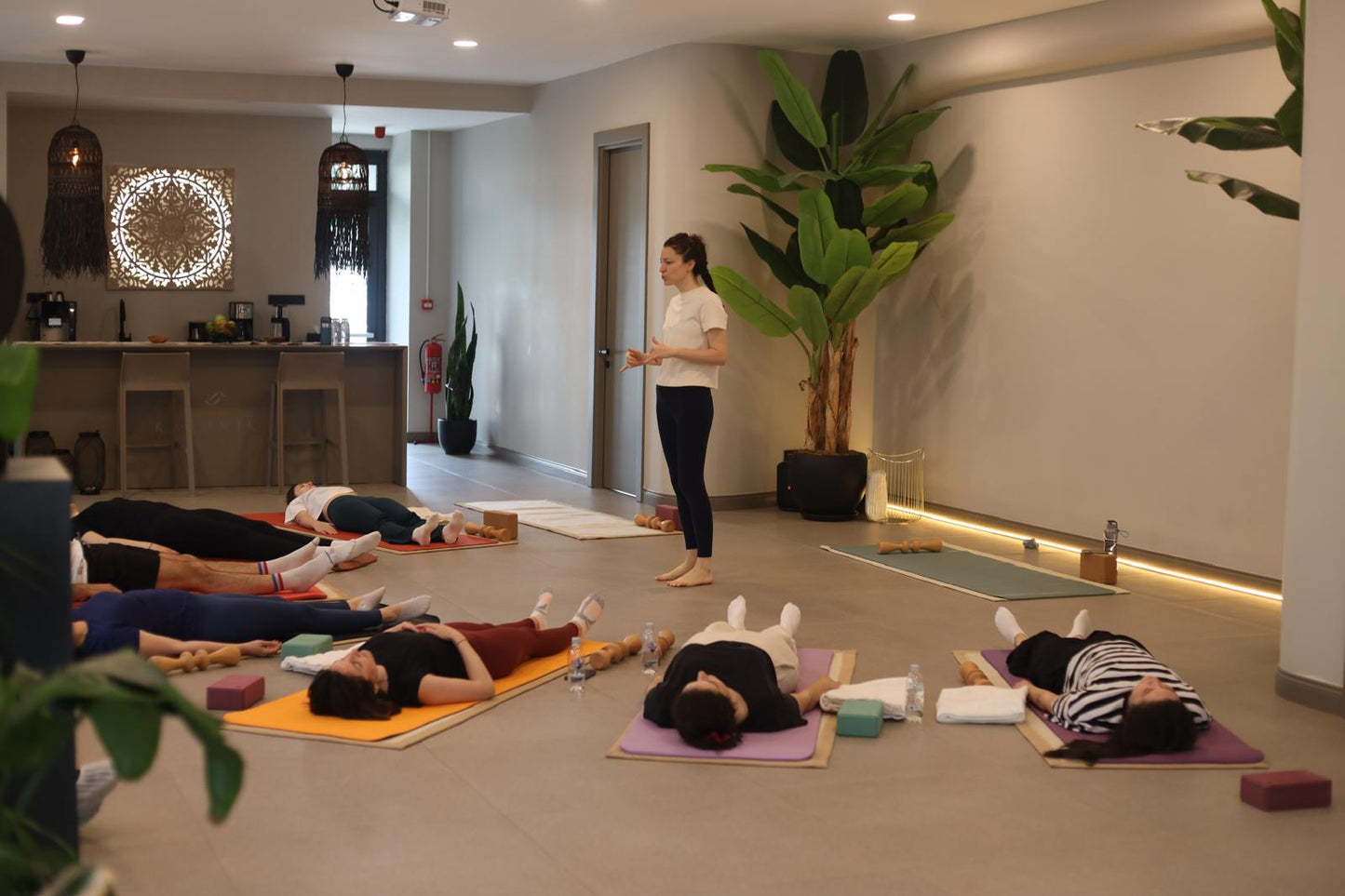
I don't see myotherapy as simply an application aimed at relaxing muscles. The relationship we build with the body is itself an important part of this work.
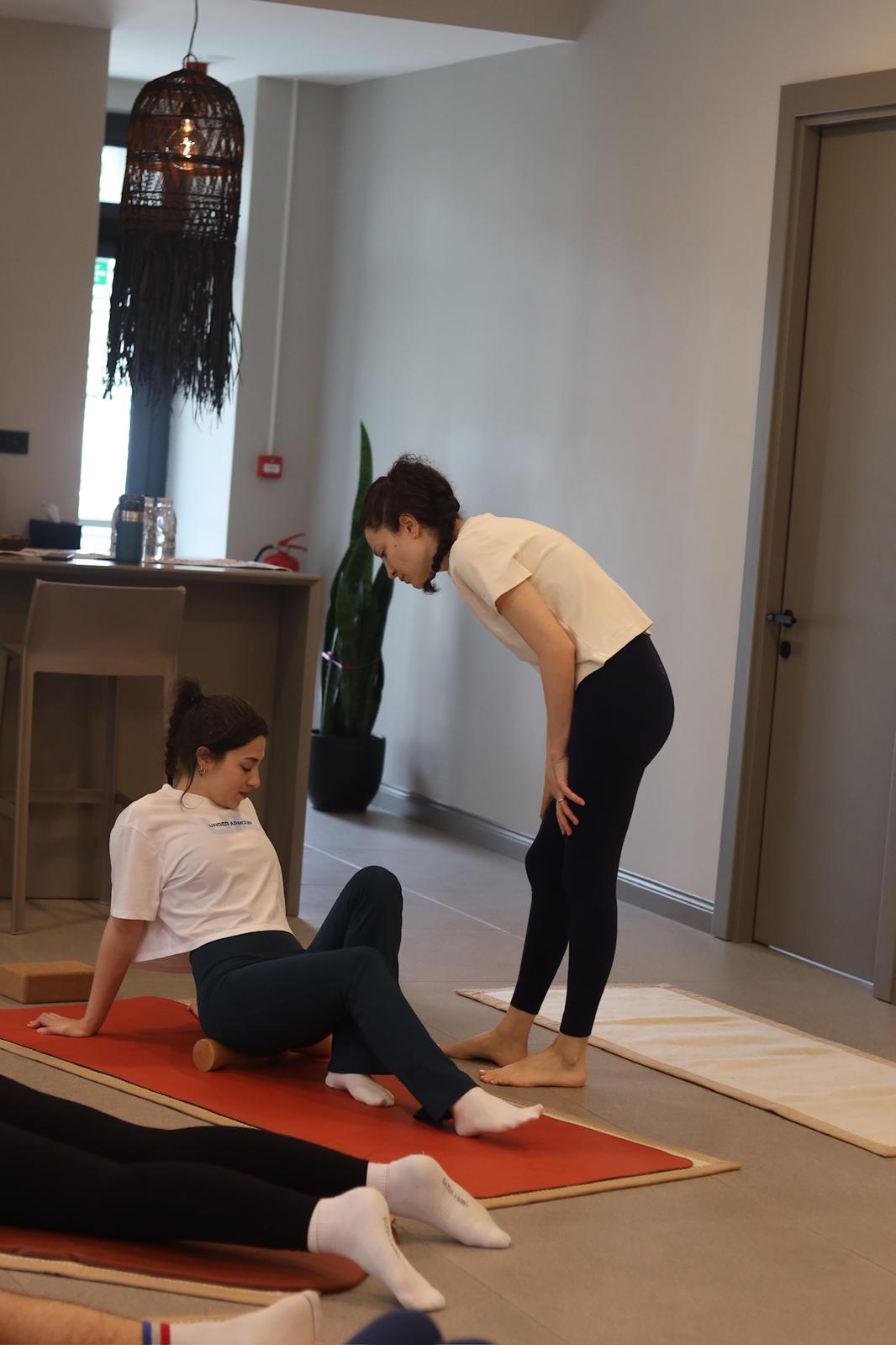
Noticing a change in a muscle's tone, supporting the movement capacity of tissue, observing the relationship between movement and breath, or opening space for a person to recognise their own bodily sensations — all of this can add a new experience to the relationship someone has with their body.
But our aim here is not to extract trauma from the body. Myotherapy is not a trauma psychotherapy, and where needed, it doesn't replace mental health support. That said, working with the body within a trauma-sensitive approach can support a person in recognising their own limits, needs and bodily responses in a safer way.
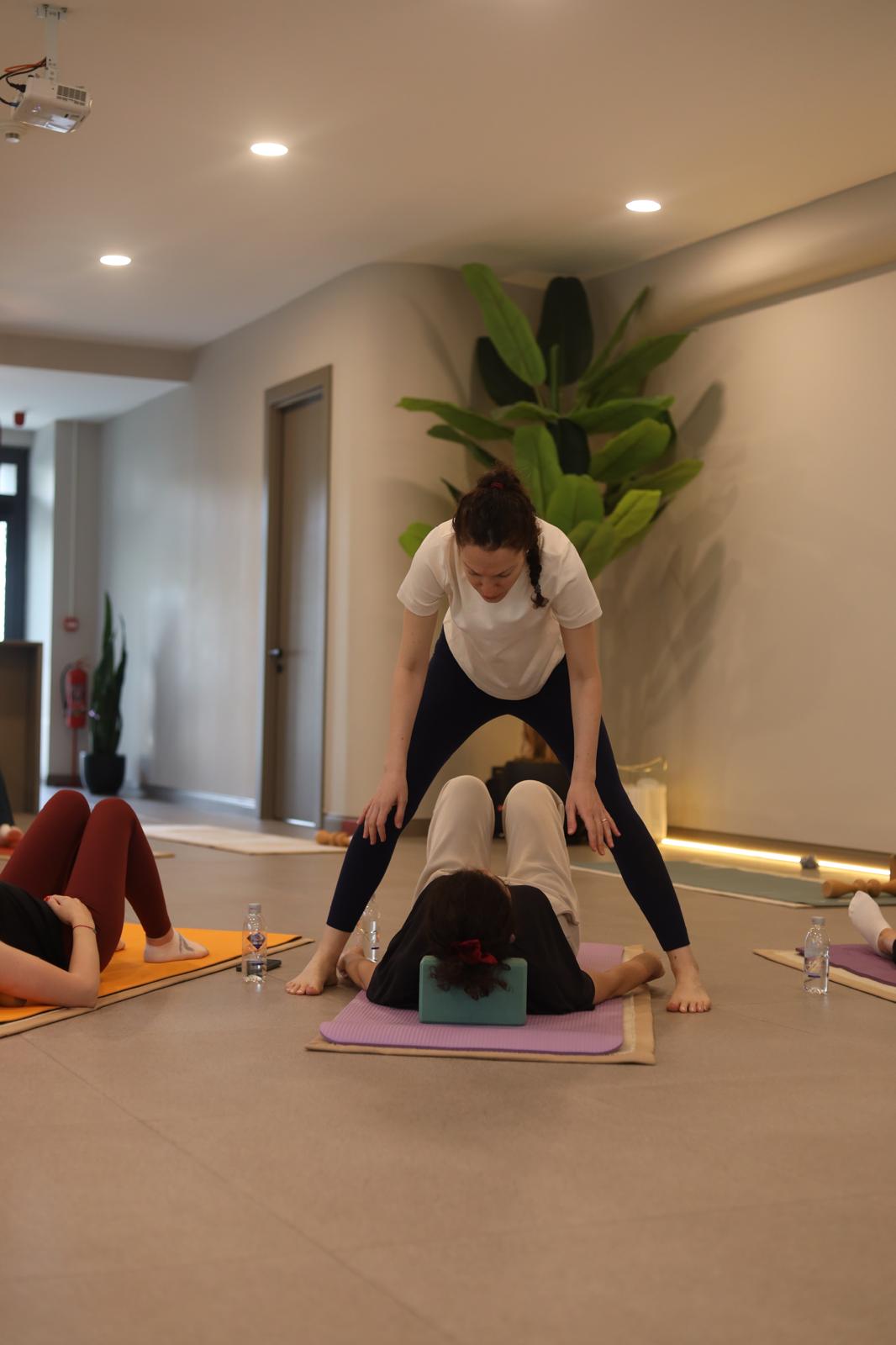
This is why the nature of touch matters as much as the person's choice: whether they feel ready for contact, which areas they'd like touched, how they experience the pace of the work, and being able to stop when needed.
A person feeling that they have a say over their own body is one of the foundational parts of the work.
Sometimes the body softens after a touch. Sometimes breath shifts with a small movement. Sometimes a person senses a part of themselves they haven't noticed for a long time. And sometimes no noticeable change occurs.
Healing can't be measured only by the intensity of an experience during a session. The real transformation is when the new experience begins to find its place in everyday life.
Not What Left the Body — But What Changed in Life
Perhaps when talking about trauma and the body, we can move a little away from asking 'What did you release from your body?'
Instead, we might look at: Has a little more distance formed between the experience and today? Does the body still feel it must respond in the same way every time to protect itself? Can the person notice their bodily signals earlier? Is even a small space forming in which they can pause before responding?
And perhaps most importantly: what is there room for again in life?
Rest, movement, connection, curiosity, setting limits, finding pleasure, or simply breathing a little more easily in the place where we are.
Release can be a genuine sense of relief in that moment.
Integration is when that relief
becomes a new possibility within life.