How Does a Space Receive Our Bodies?
Has your body ever noticed something before you did when entering a room? A light too bright, a sound with no clear source, a door that closed behind you… Or the opposite: a corner where you could sit, a window that let you see outside, a room where finding your way felt natural.
Sometimes the answer to “Why couldn’t I relax here?” isn’t only inside us. The place itself is part of our experience.
What does neuroarchitecture ask?
Neuroarchitecture is an interdisciplinary field that studies how space relates to human perception, behaviour, and bodily experience. It looks at how elements like light, sound, texture, scale, and layout can influence our experience. But we cannot choose a colour or material and guarantee the same emotional outcome for everyone. People’s sensory needs, past experiences, and current states differ.
My dear friend Derya’s studio, Derun Studio, approaches design by treating space as something experienced through light, scent, sound, and texture — not just seen. Listening to the user and understanding their needs is placed at the beginning of the design process. Derya’s way of thinking about space meets a question we often ask at Miyomotion: What options does the body have in the conditions it finds itself in?
How is a trauma-informed space conceived?
A trauma-informed approach does not require us to know everyone’s history. It asks us to uphold safety, predictability, collaboration, and choice — without making assumptions about people’s experiences. When we bring this into space, the question shifts from “How do we calm everyone down?” to “How can people move through this space according to their own needs?”
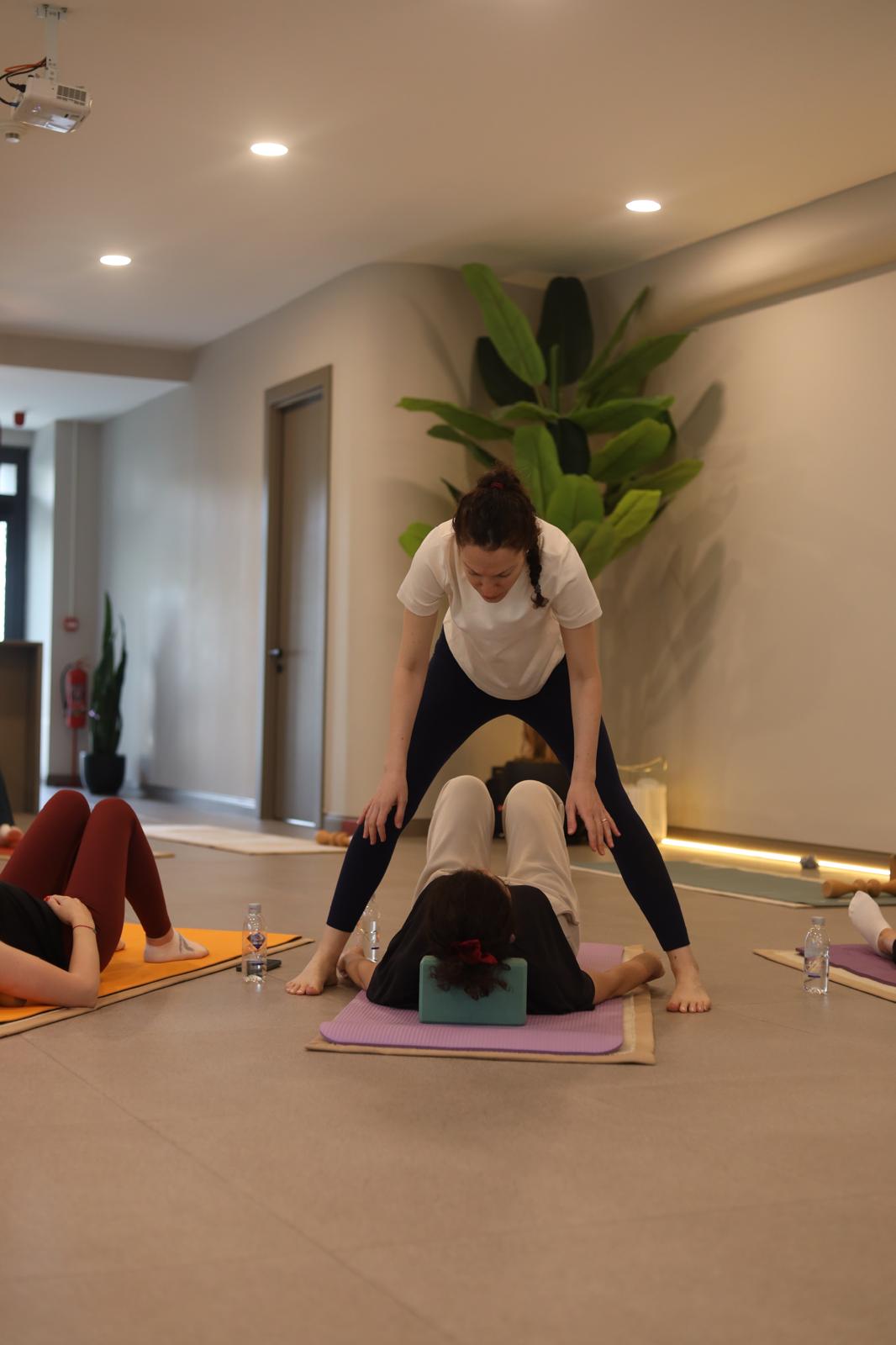
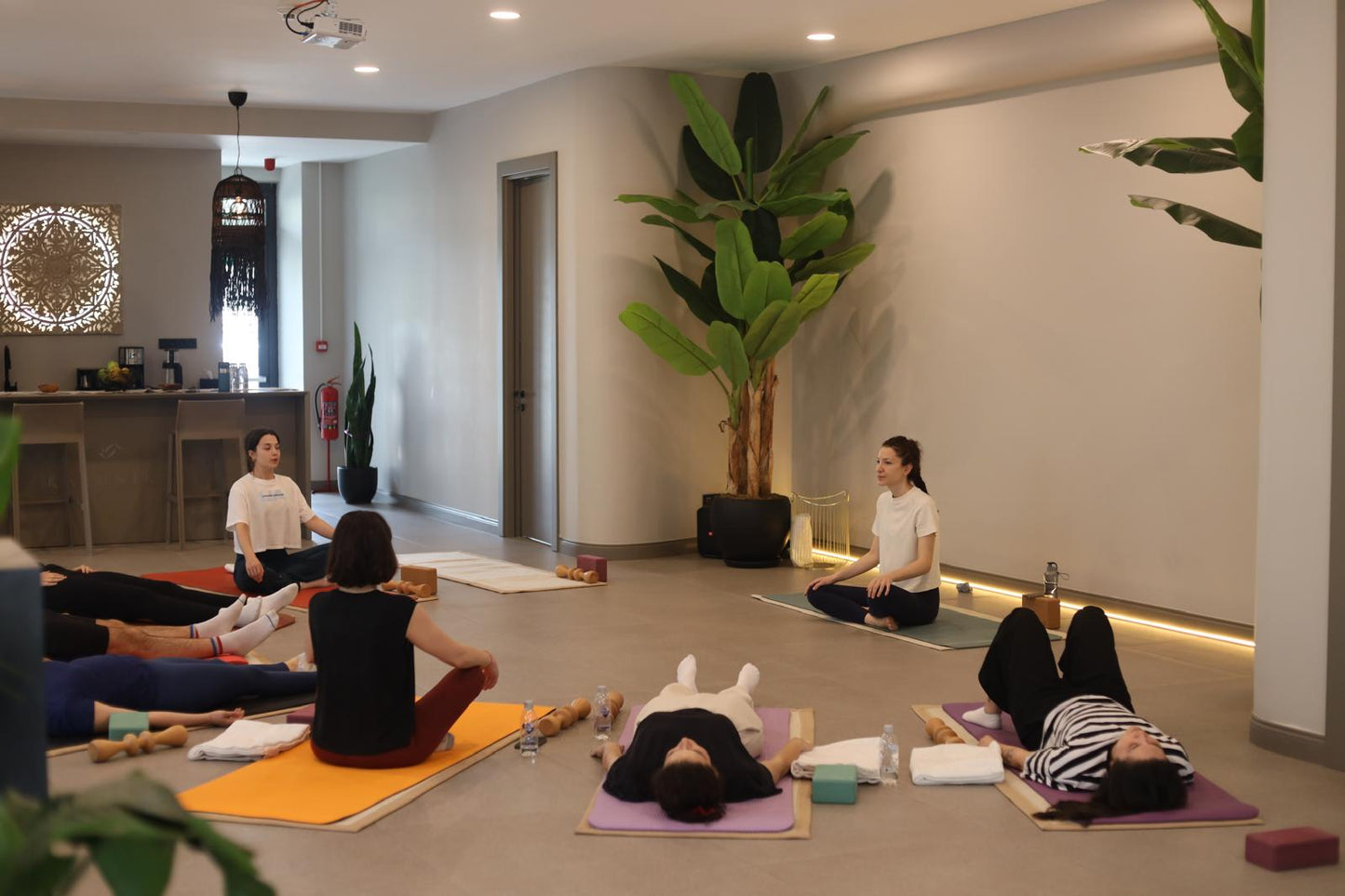
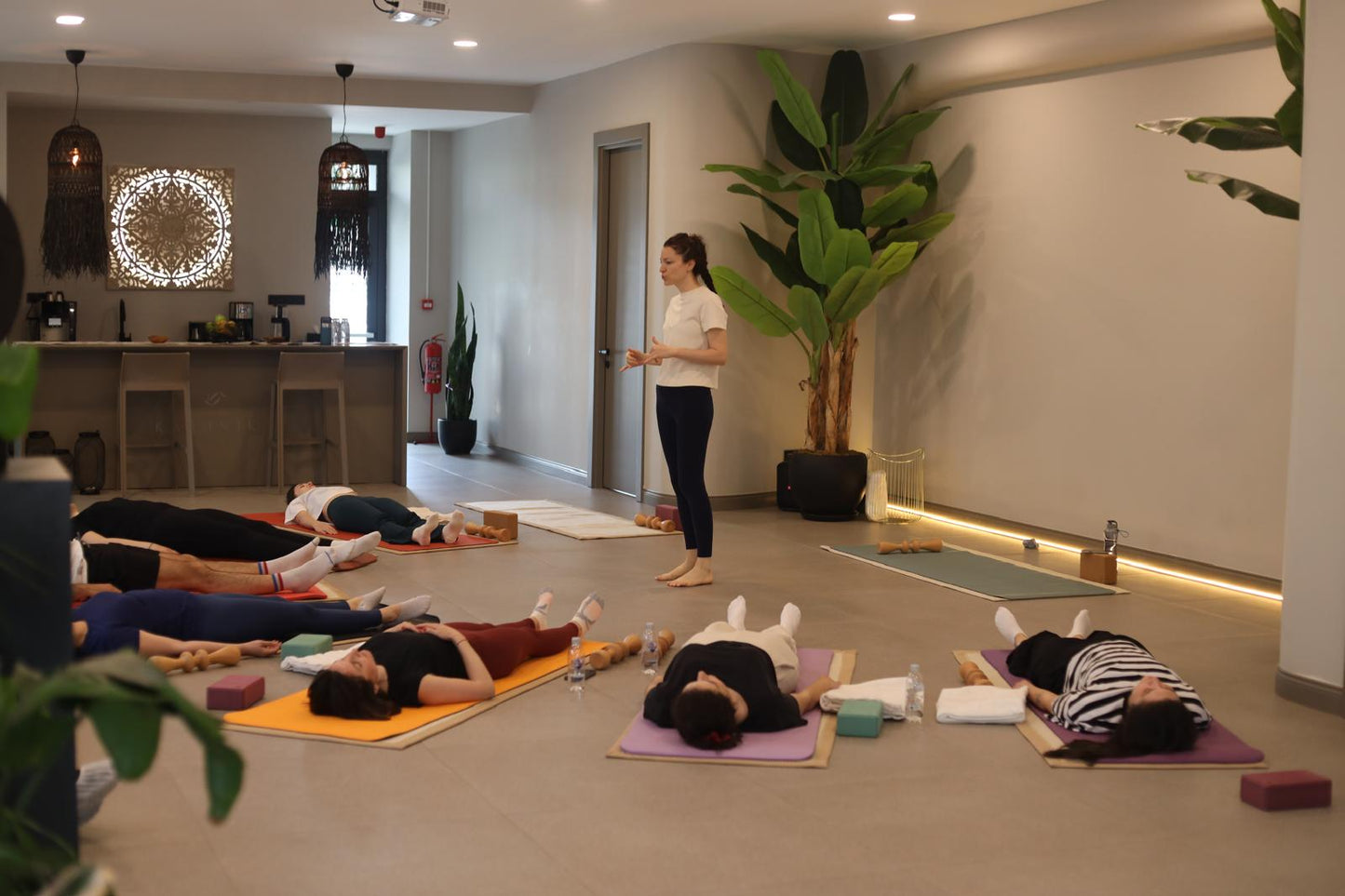
In a waiting area, for instance, there might be several seating options rather than one fixed arrangement. A person can sit near others or in a quieter spot. The door, exit, and bathroom can be easy to find. Lighting can provide enough visibility without glare. Preferences about sound, scent, and touch can be asked about when possible.
These may seem like small details. But a space that is legible and leaves room for choice can change how someone relates to it. That said, even the most thoughtfully designed room alone cannot make a process trauma-informed if it doesn’t listen to the people inside it.
Process matters as much as design
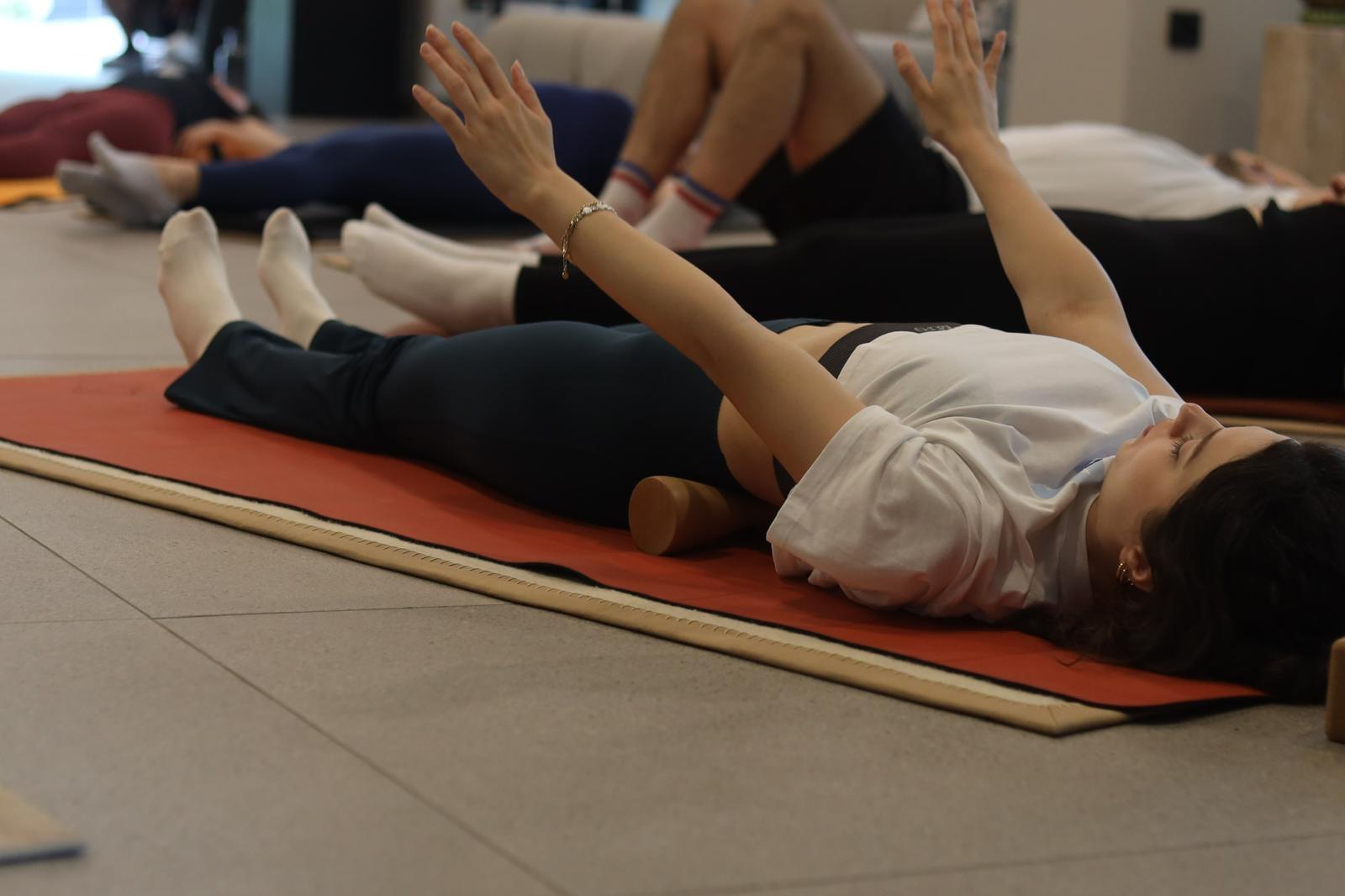
In myotherapy, the space is part of the session. When working with the body, we cannot think only about the technique being applied. From the moment a person enters the room, they are also experiencing the light, temperature, sound, scent, and sense of privacy. If the room is too cold, if a noise is distracting them, or if they are worried about the door opening, being able to name that matters.
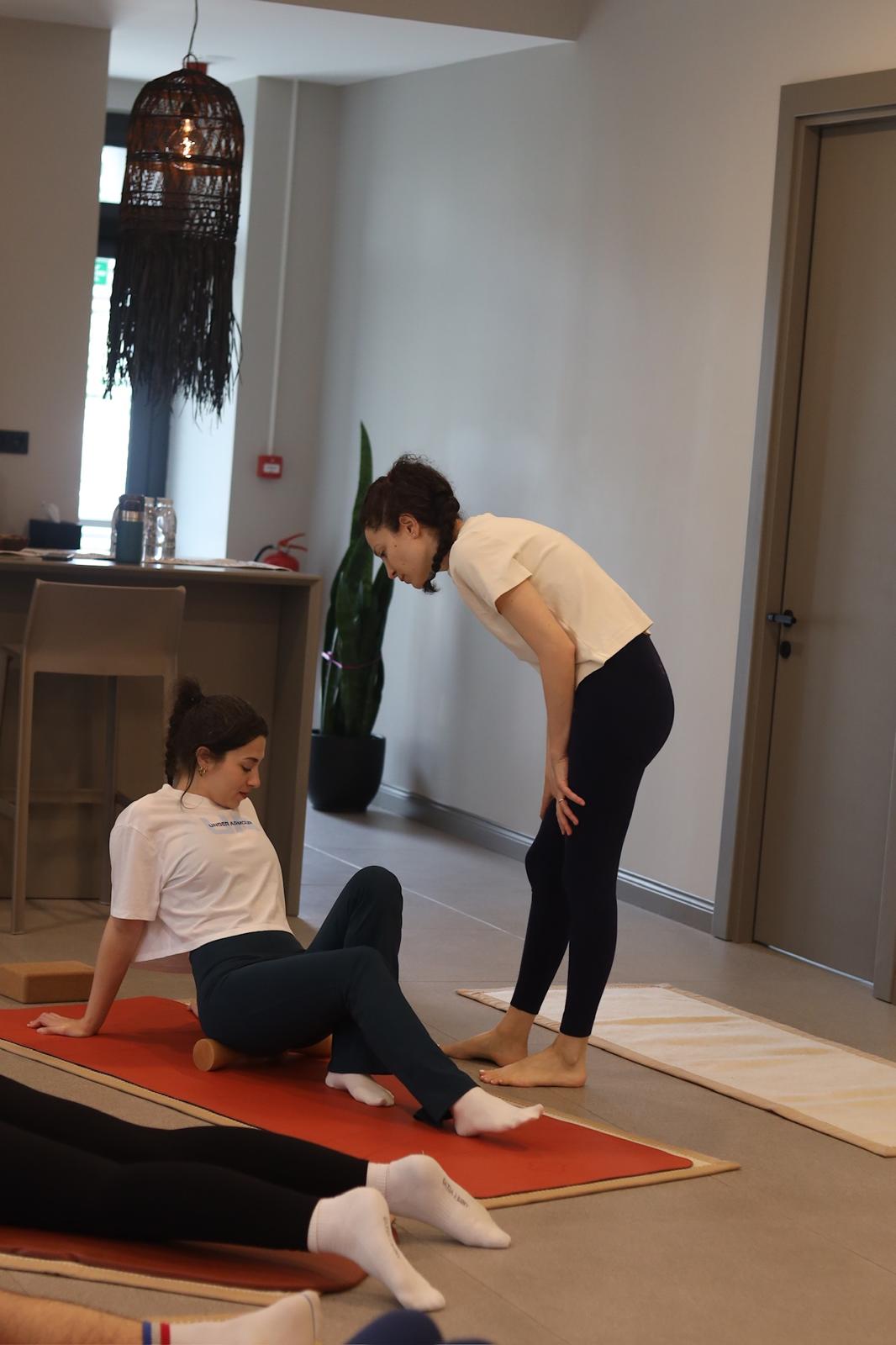
But the sense of safety does not come only from the room’s physical qualities. Explaining how the session will unfold, asking permission before touch, checking in about where and how firmly to make contact, and ensuring that someone who wants to stop or change direction can say so comfortably — these are all part of the experience. The simple question, “Is this okay for you?” is one way of shaping both the space and the touch together, according to the person’s needs.
A scent that feels familiar and pleasant to one person may be overwhelming for another. Daylight can feel grounding; sometimes a lower level of stimulation, or shade, is what’s needed. So the goal is not to find the “right” space for everyone — it is to create an environment where people can express their needs and, wherever possible, make choices.
Look at where you are today with fresh eyes
When you enter the space where you live or work, you might pause for a moment and ask:
– What is my body noticing here — the light, the sound, the temperature, the scent, the exit?
– Do I have options to rest, move, or take a short break?
– How much do I actually know about the needs of others who use this space — and how much am I assuming?
Sometimes the change is as small as opening a window, adjusting the direction of light, or moving a chair. Other times, the real need is giving the people who use the space more say in the decisions that shape it.
At Miyomotion, we try to think about the body not only through what happens within a person, but through their relationships and environment. That’s why space matters to us: because it is one of the conditions that participates in bodily experience.
A safer experience rarely comes from one perfect design.
It grows from the practice of listening, adapting, and asking again.