Fascia Fitness: A Beginner's Guide
When you hear the term "Fascia Fitness", what comes to mind?
Maybe stretching exercises. Maybe something like Pilates. Maybe you have no idea and that's exactly why you're here.
All three are fine. This guide starts from exactly that place: what is Fascia Fitness, who is it for, and what's worth knowing before you begin?
Fascia Fitness isn't a performance practice. It's one of the gentlest ways to meet your body again.
First What Is Fascia?
Fascia is a thin but strong connective tissue that wraps around every structure in the body. It connects muscles, organs, nerves, and bones. Think of it as an invisible web spread throughout the entire body.
When this tissue moves, it stretches. When it stays still, it gradually stiffens and can become adhesive. Long hours of sitting, stress, chronic tension, and lived experiences of trauma can all leave their mark in the fascia. And those marks often show up as chronic pain, a sense of tightness, or a restriction in movement that's hard to explain.
Fascia Fitness opens space for this tissue to move again.
What Kind of Practice Is Fascia Fitness?
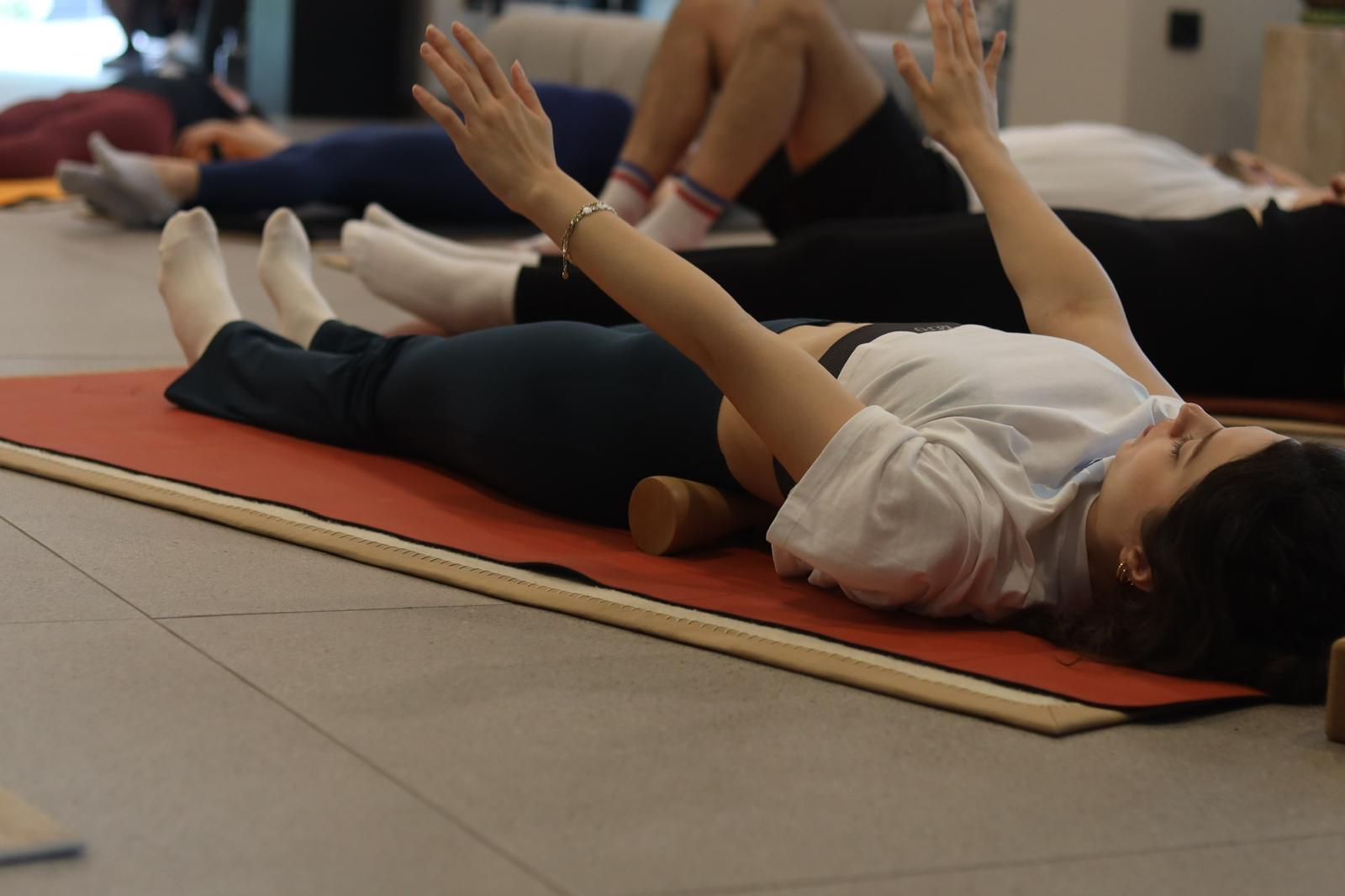
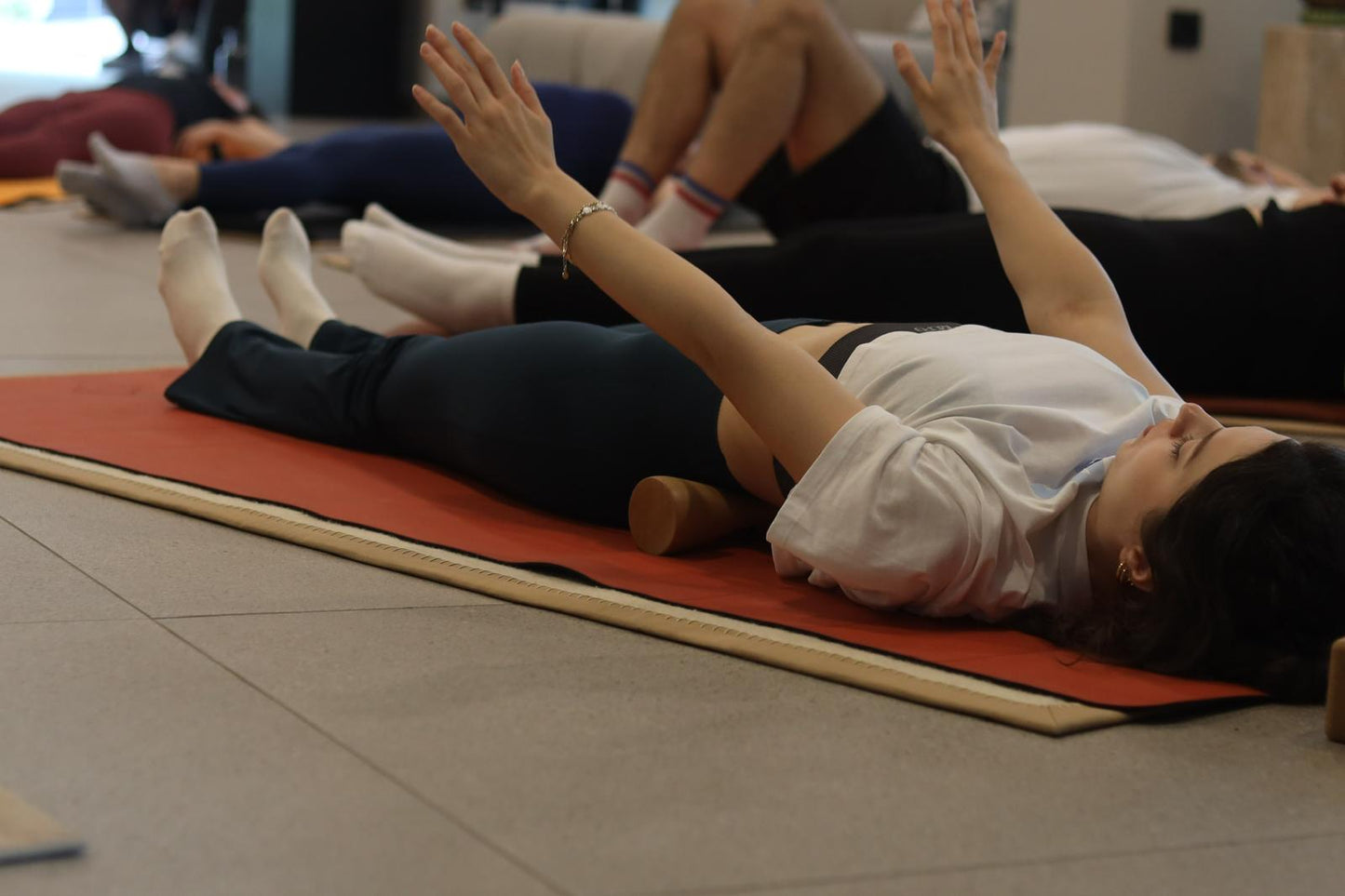
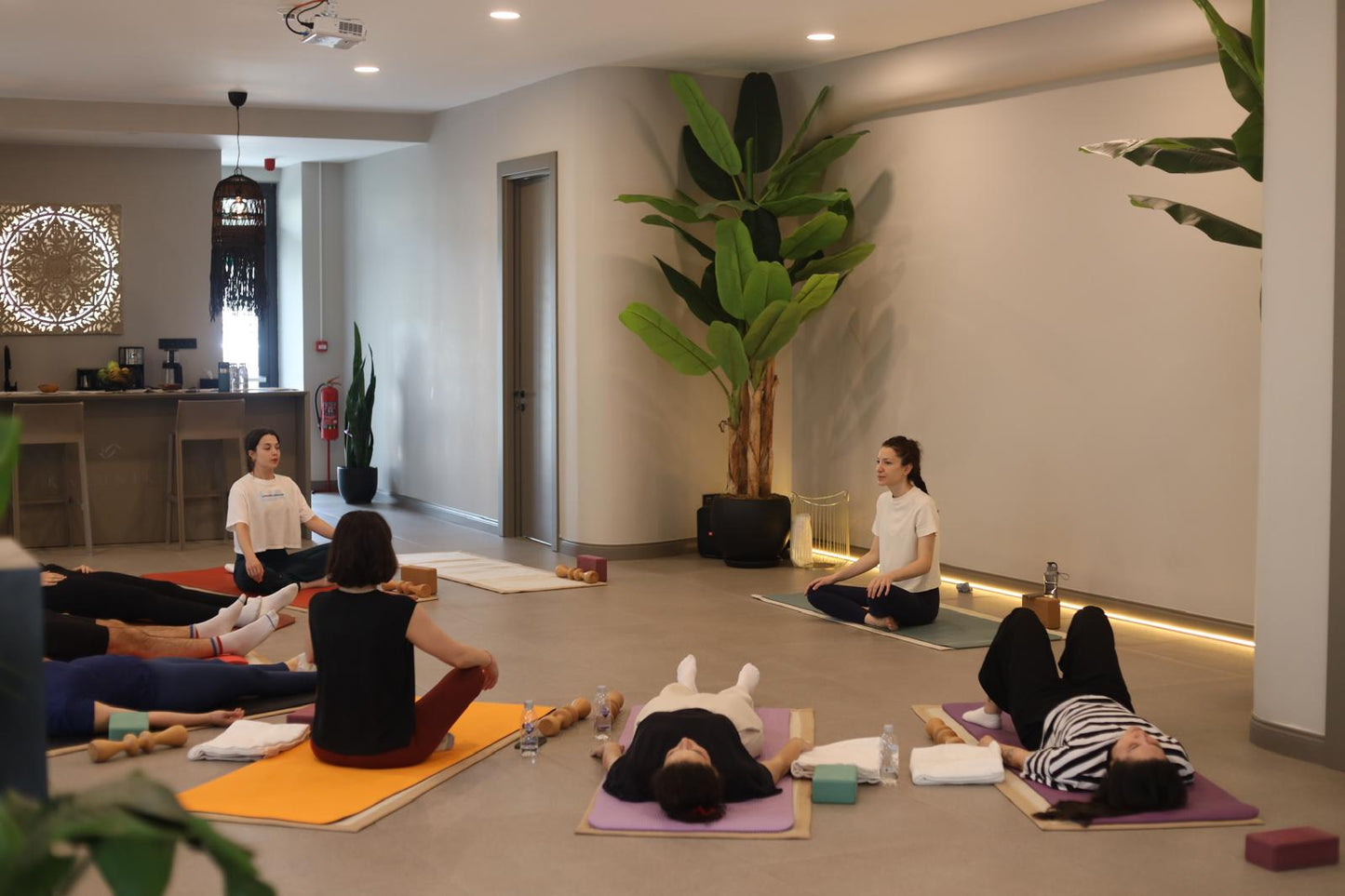
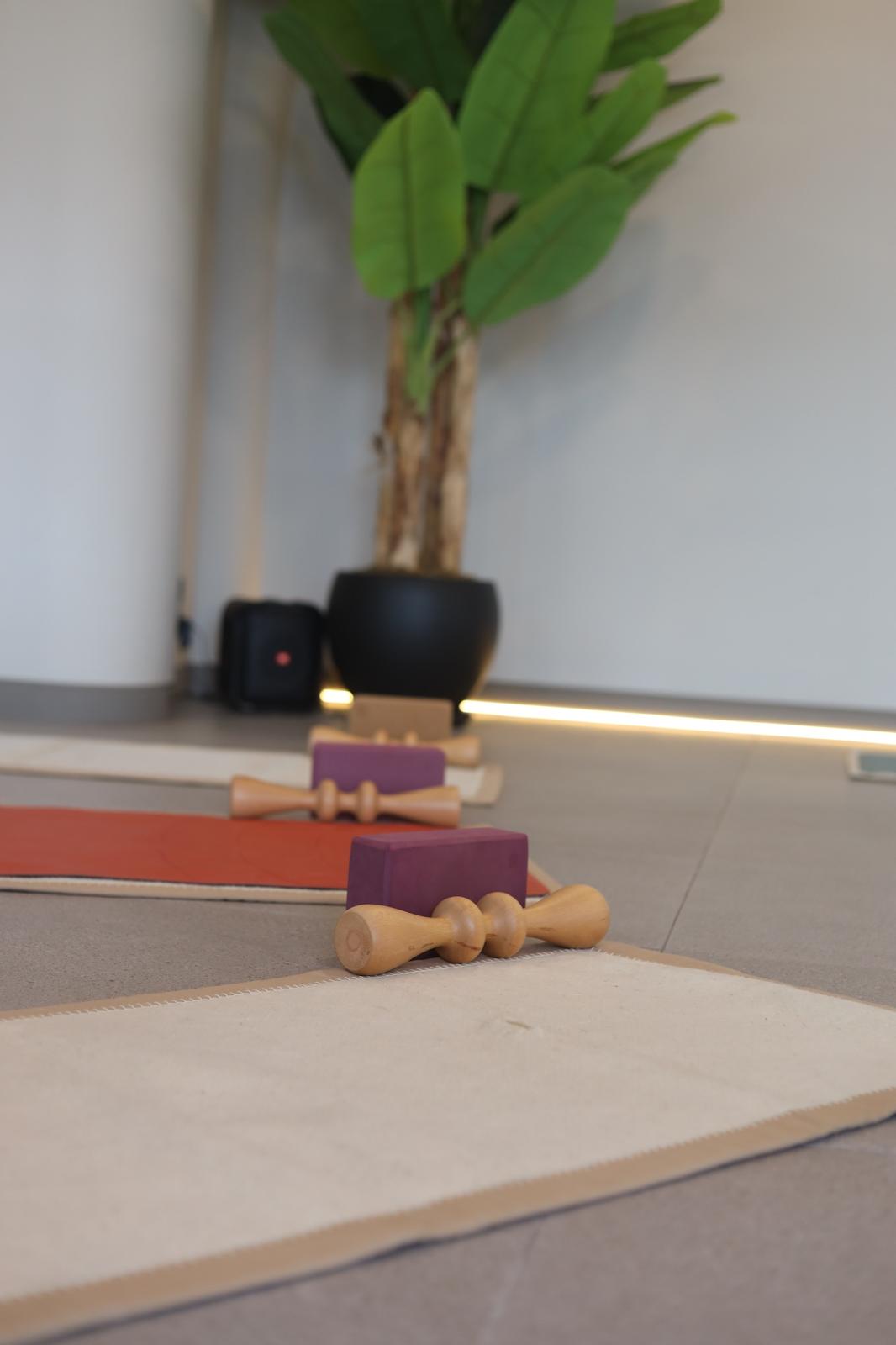
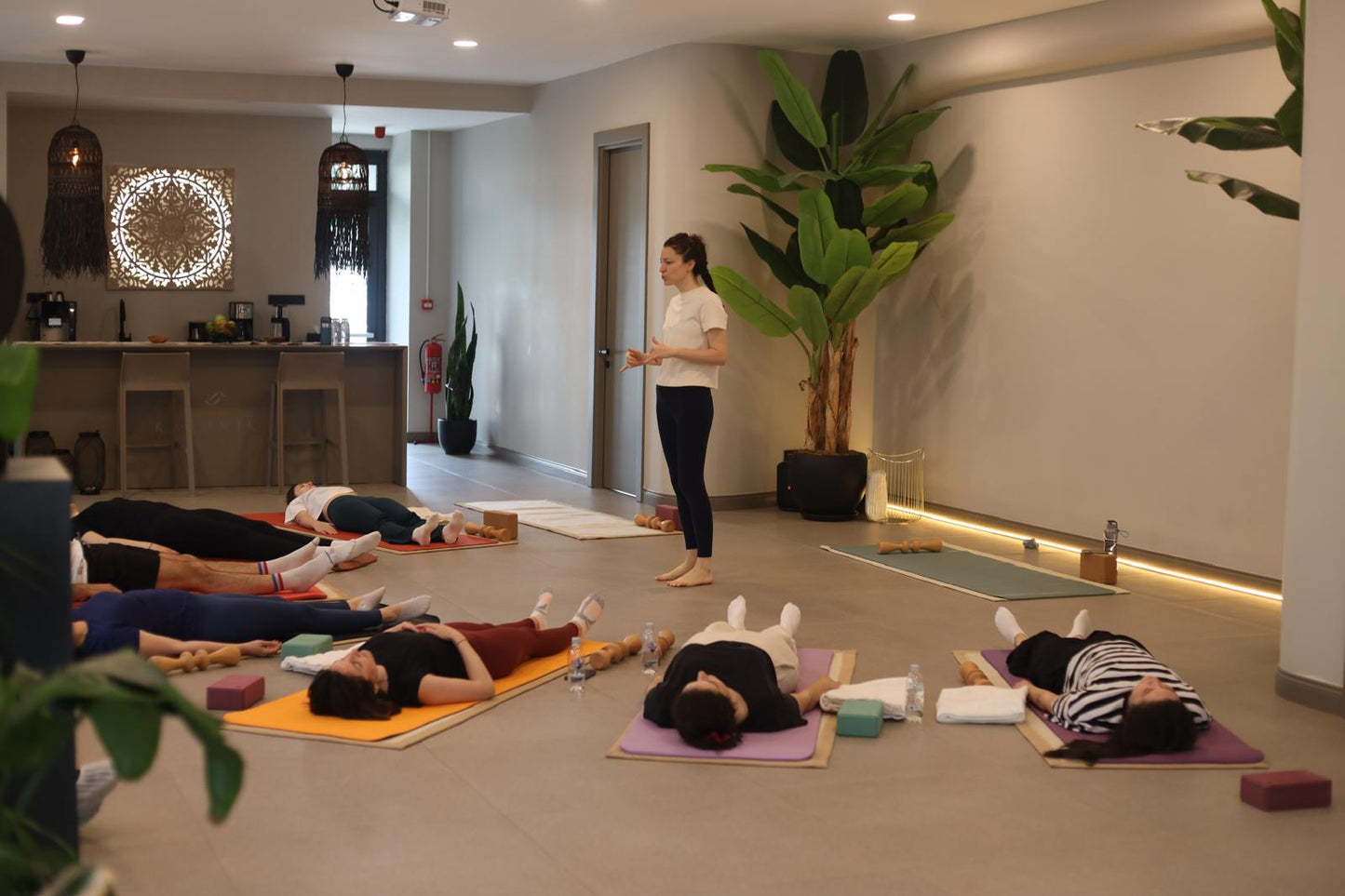
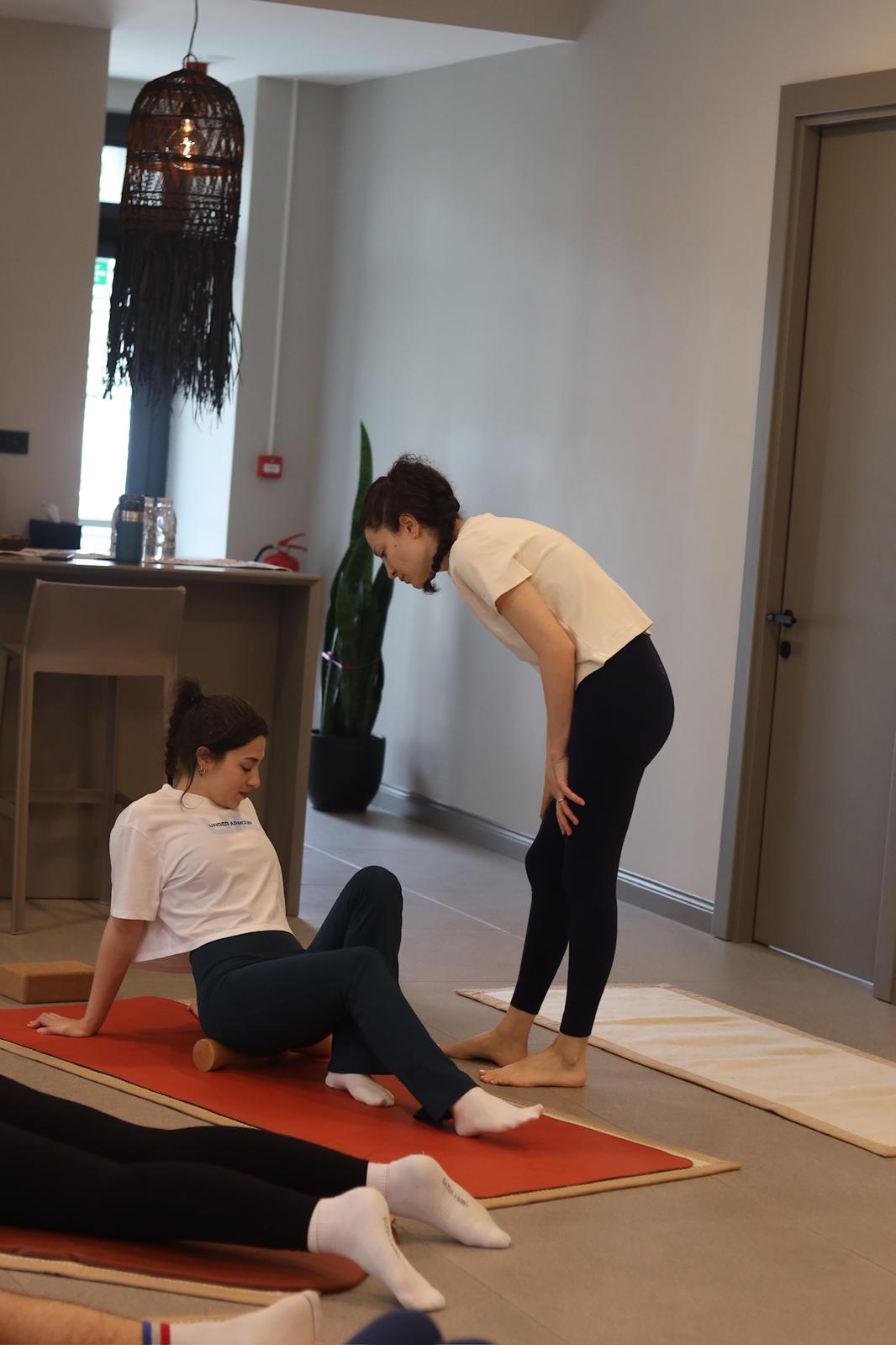
Fascia Fitness is a slow, conscious, body-awareness-centred movement practice.
There are no fast repetitions, high-intensity exercises, or performance goals. Instead: slow stretches guided by breath, holds that work the fascia deeply, a tempo that invites noticing how the body responds.
It's also directly connected to myotherapy work. Tensions released during a myotherapy session are reinforced through Fascia Fitness practice, and the body becomes better able to hold onto that openness over time.
Not forcing. Inviting. That is the foundation of Fascia Fitness.
Who Is It For?
There are a few profiles for whom Fascia Fitness is worth considering:
Those with chronic pain who want to move but aren't sure where to start. Those who spend long hours at a desk. Those who feel stress living in their body. Those who exercise but have areas that never seem to "open up". And those who want to reconnect with their body.
No particular fitness level is required. The starting point is simply the intention to listen to your body.
What's Worth Knowing Before You Start?
In the first sessions, it's normal to feel "I don't feel anything" or "I feel very little". Fascia is a tissue that responds slowly. There's no need to rush.
Following the breath is the most important guide. If the breath is being held in a position, the body isn't ready for more, pulling back or modifying is also part of the practice.
Results usually don't come immediately. They're noticed after a few sessions: movement feels a little easier, a weight has lifted slightly, a part of the body begins to feel a little more "present".
And sometimes during a session, emotions can surface. This is a sign that what has been held in the fascia is being released. Not something to judge, something to meet.
How to Begin?
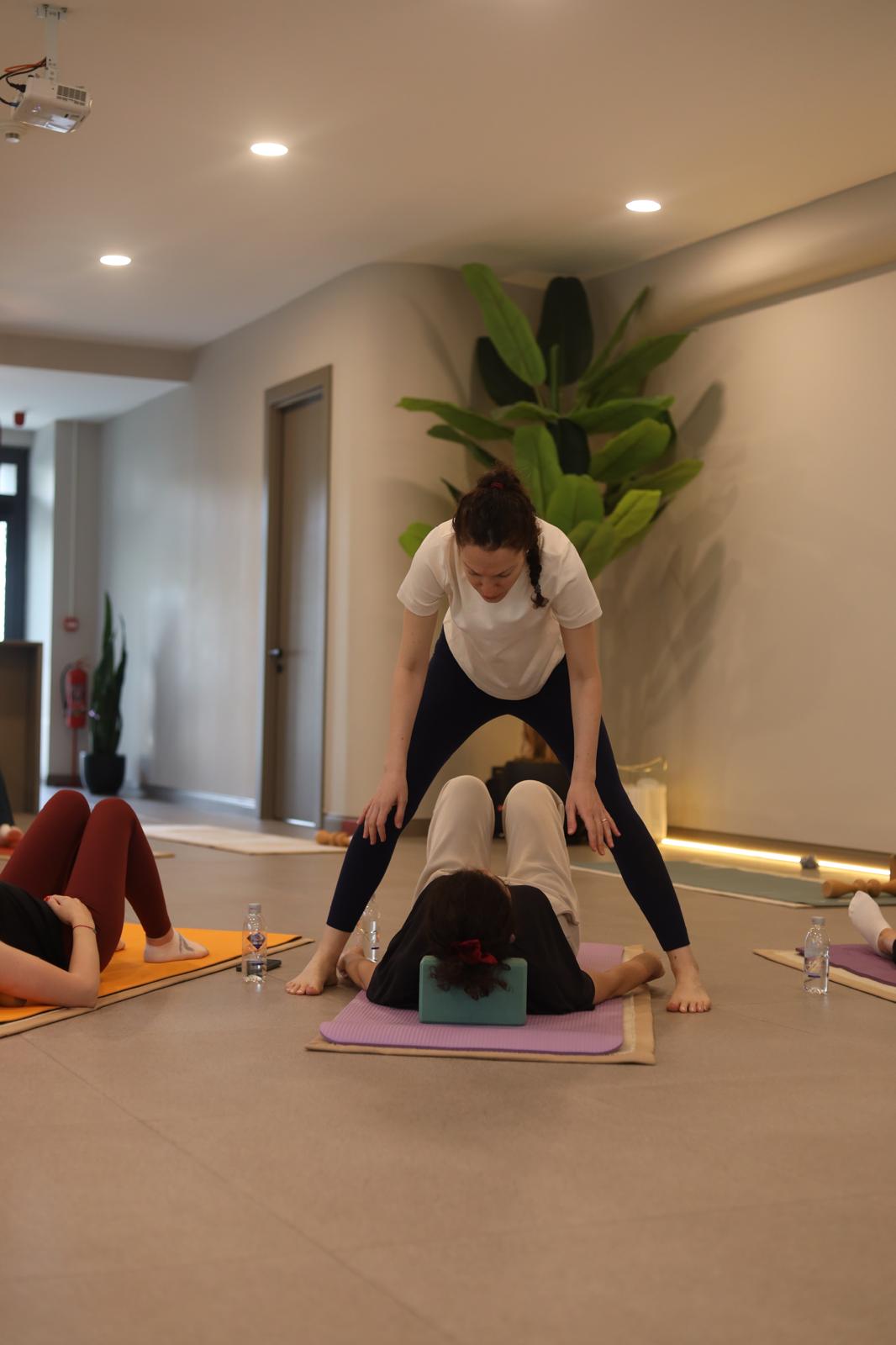
The best starting point is a trial session. To see how the body responds to this practice, and to find the right pace, the first session tells you a great deal.
At Miyomotion, Fascia Fitness sessions are offered both individually and integrated with myotherapy work. We can talk through which path makes most sense for you.
The body doesn't always have to be ready.
Sometimes it's enough to take one step
and watch what opens.