Why Does the Path to Staying Healthy and Young Always Lead Back to the Nervous System?
Something caught my attention recently.
Bryan Johnson — the man who spends millions each year trying to stay young, takes hundreds of supplements, and tracks nearly every biological data point — shared that he'd been diagnosed with autoimmune gastritis.
This piece isn't about his health. We can't draw cause-and-effect conclusions from a single example.
But the news made me think of something I've observed in some of the people I work with.
The way we sometimes interfere with our own healing — while trying to heal.
Have You Tried Everything?
Many of my clients say similar things to me.
"I've tried every supplement." "I've seen every kind of specialist." "I go to a different therapy every week." "I research every new method as soon as it comes out."
There's a huge amount of effort here. People want to feel well. They want to wake up without pain. They want to move without exhaustion. There's nothing wrong with any of that.
But sometimes, without noticing, we slip into a different kind of loop. Each new method starts feeding the message: "So I still haven't recovered."
The Nervous System Tracks Threat
Modern pain science tells us something important: the nervous system doesn't only track tissue. It also tracks threat.
And threat isn't always an injury. Sometimes constantly monitoring the body, analysing every sensation, searching for a new deficiency, chasing the next solution — all of this can signal to the nervous system: "We're still not safe."
So the problem might not be the supplement you're taking. It might not be the exercise you're doing. Sometimes the problem is the internal ground from which all this effort is growing.
Constantly searching for what's missing can send the nervous system the message: 'we're still in danger.'
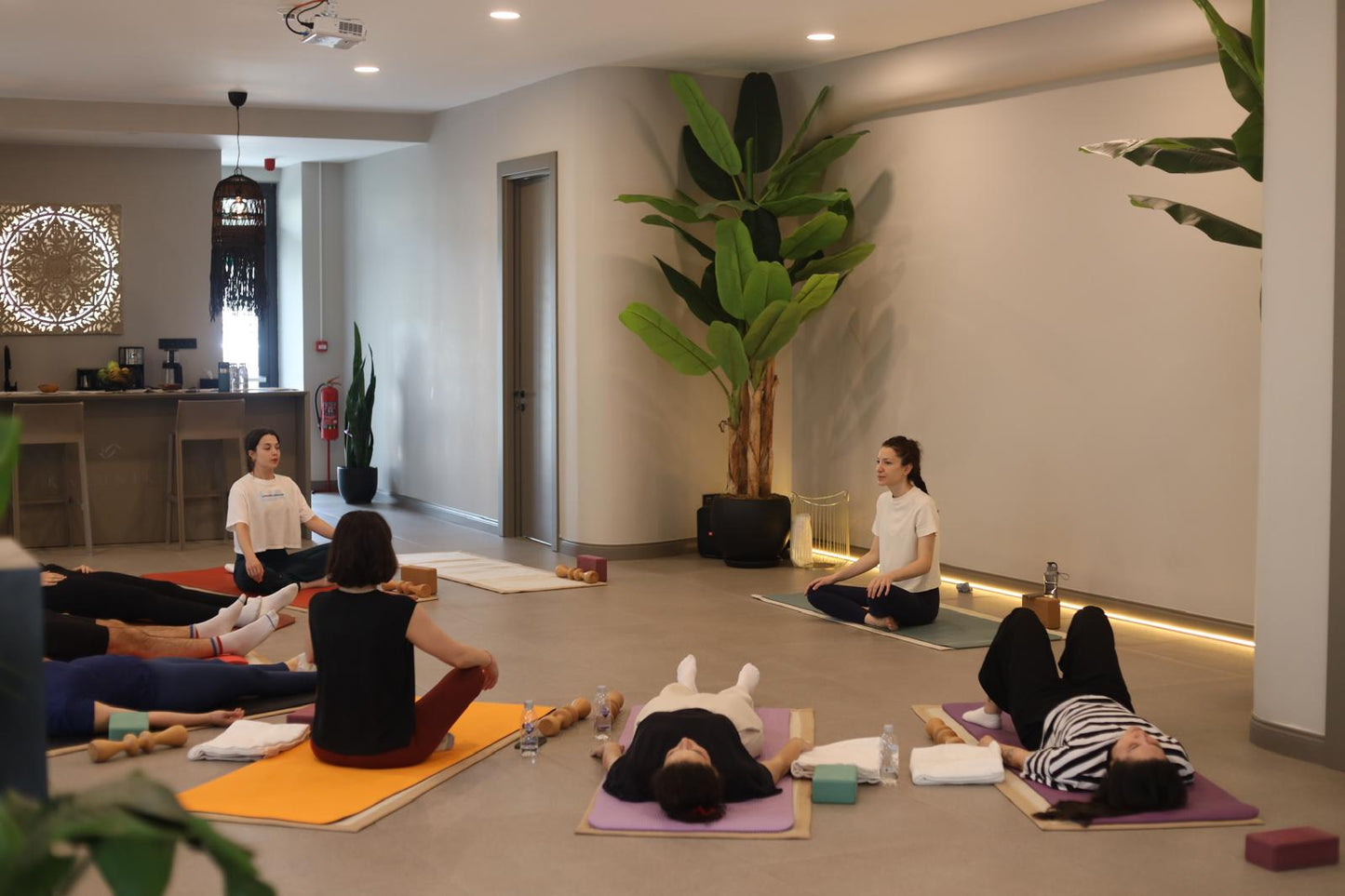
Myotherapy and Trauma-Informed Yoga Meet at This Point
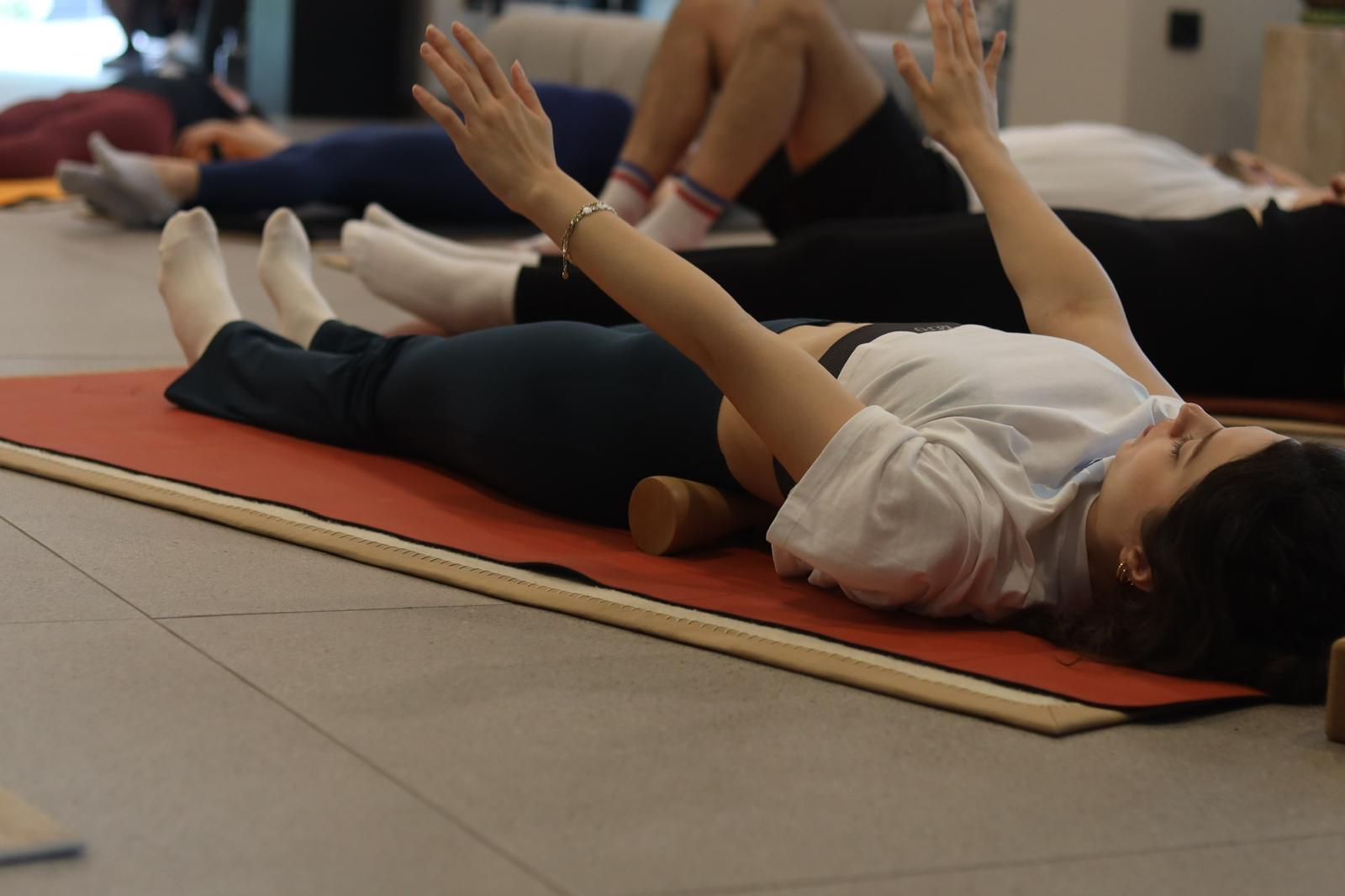
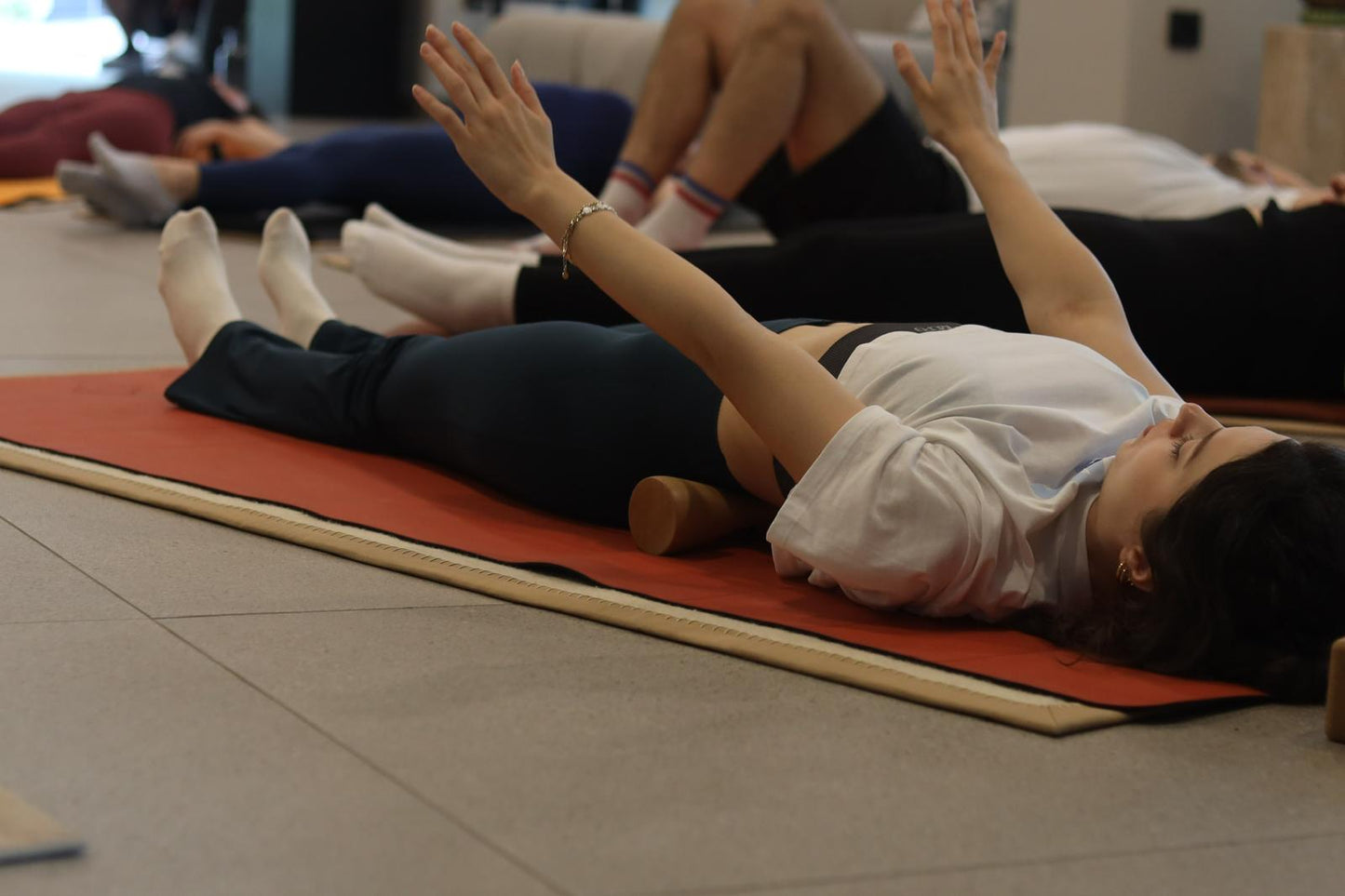
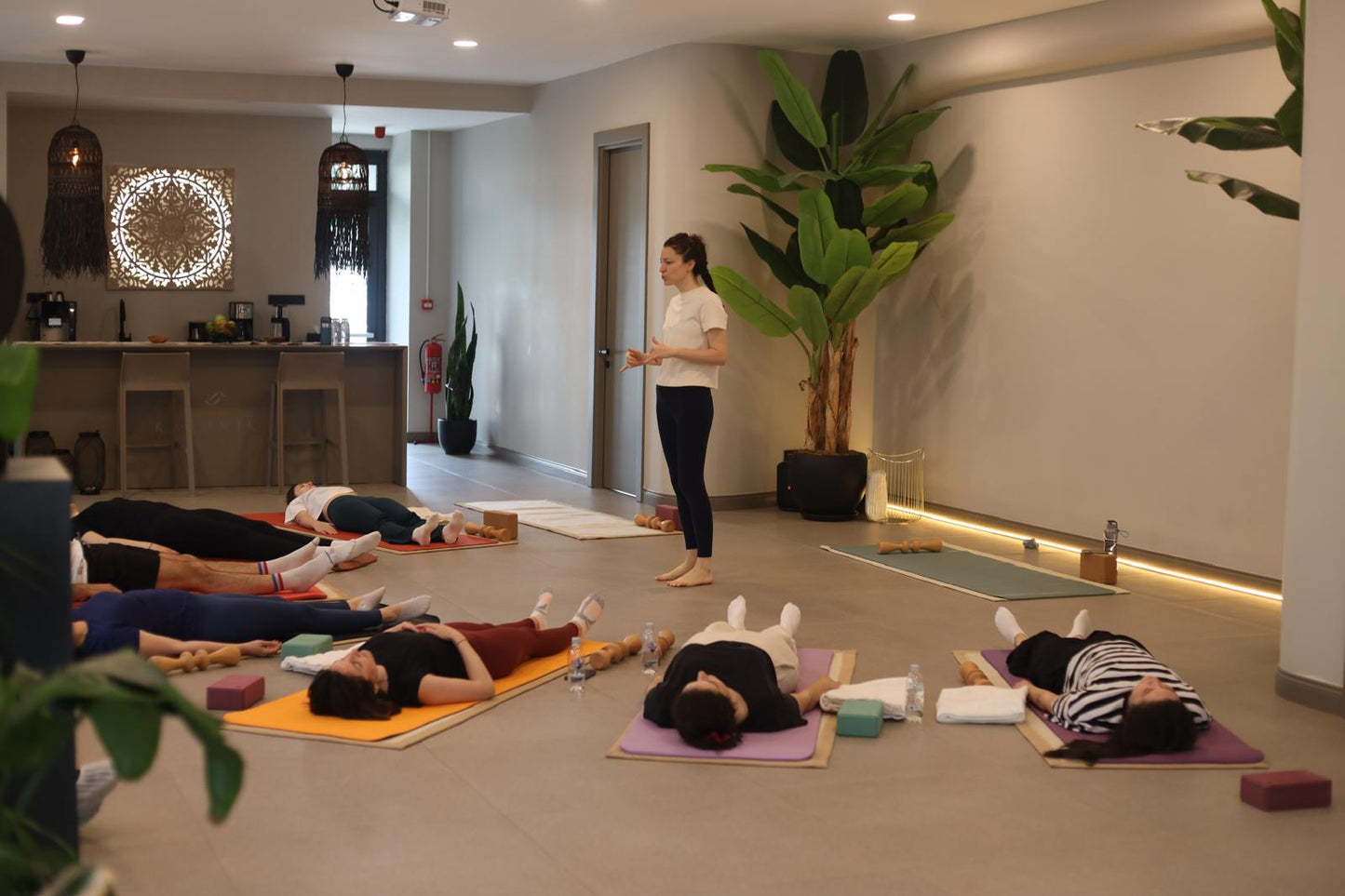
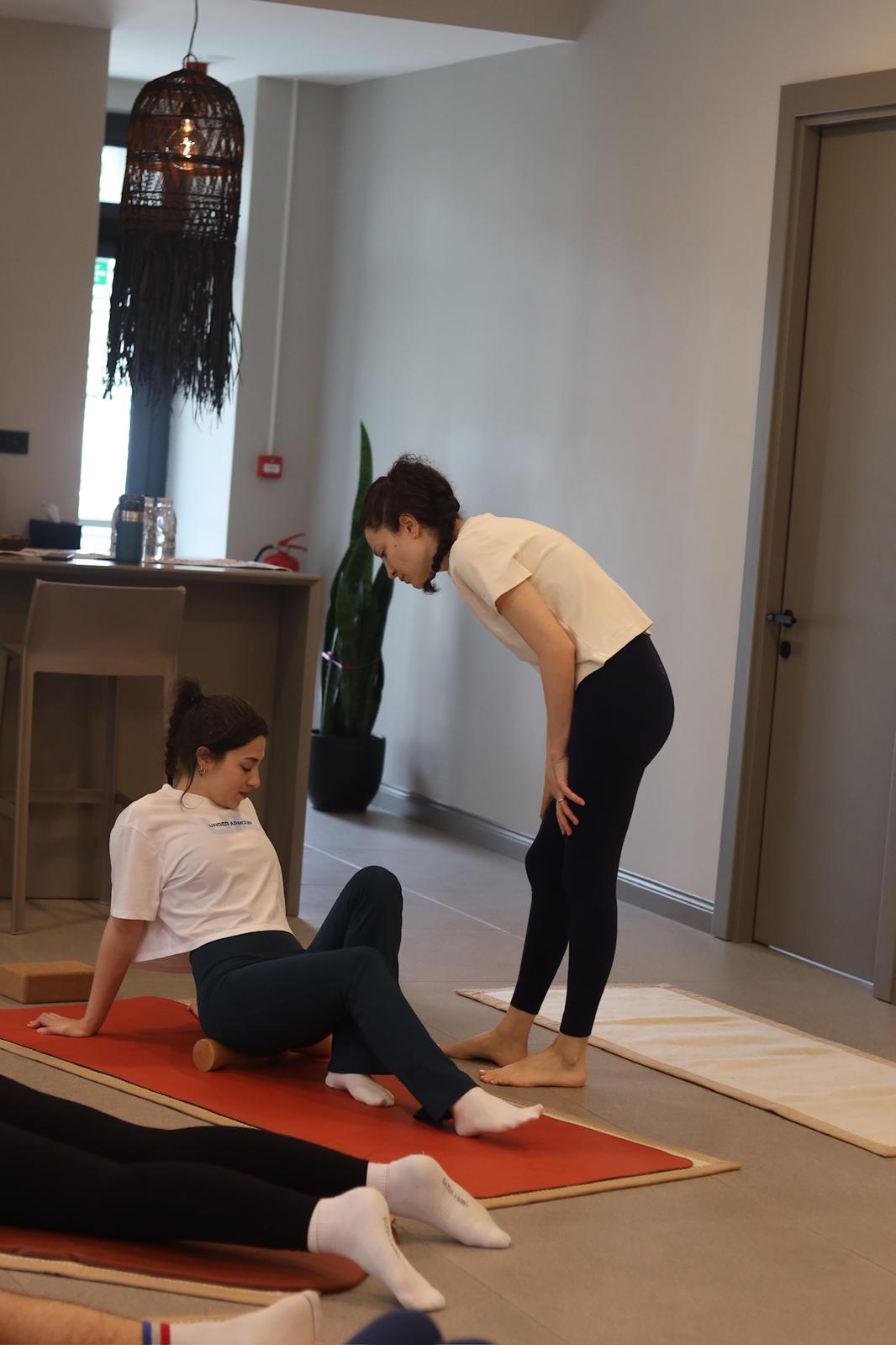
In myotherapy and trauma-informed yoga practice, the body isn't treated as an object to be repaired. It's met as a system that needs to be heard.
This is why in these practices, the first question is: "What is the body saying right now?" Before applying a new technique, before teaching a new movement — space is made for the signals the body is already sending.
And often, when that space opens, something happens: the body already knows. It was simply waiting to be heard.
Trauma-Informed Yoga Comes from the Same Place
The goal isn't to manage the body better. It's to build a relationship with the body again.
Because the body isn't a project that constantly needs fixing. It's a system that needs to be listened to.
Sometimes the most healing experience isn't doing more — it's being able to truly listen to the body for the first time.
Try Asking a Different Question
In recent years, I've been asking myself a different question.
Instead of: "Which method should I try?" — I ask: "Why am I looking for so many methods right now?"
These two questions look similar from the outside. But they carry completely different meanings for the nervous system.
The first is searching for what's missing. The second is trying to understand itself.
Healing sometimes begins not with adding something new — but with letting something go.
A Book Recommendation
While writing this, I kept thinking of a line from Haemin Sunim's book "Things You Can See Only When You Slow Down".
It goes like this:
No matter how effective the medicine, if you force someone to take it, it can taste like poison.
When I first read that, I thought of the effort to heal. No matter how valid the approach — if the body isn't ready, doesn't feel safe, or is treated only as something to be fixed — it can create exactly that feeling.
The book speaks very quietly and gently about what it means to slow down in the middle of all the speed and effort. A beautiful companion read for anyone thinking about the body and what healing actually asks of us.
Sometimes what the body needs most
isn't a new intervention —
it's simply to stop interfering with its own path to healing.