What Does It Mean to Try to Be Perfect?
I should eat better.
I should be more successful. I should earn more money. I should look fitter. I should be calmer, more spiritual, more conscious…
But what does "perfect" actually mean?
Most of the time, perfection isn't a definition that belongs to us — it becomes an ideal we've absorbed from what we see around us. Other people's lifestyles, bodies, productivity, relationships, and achievements quietly become our measuring stick, without us even noticing.
And then we start evaluating ourselves against them.
Are we trying to be perfect according to others — or are we trying to get closer to ourselves?
Perfectionism Is Sometimes a Way of Leaving Ourselves Behind
Pushing ourselves instead of resting when we're tired…
Making meal plans when we're not even hungry, just because "I should be eating healthy"…
Trying to look strong even while we're sad…
Trying to produce more when what we need is rest…
Perfectionism is sometimes giving up on hearing ourselves in pursuit of an ideal self. And perhaps that's exactly why, while constantly trying to keep up, we drift away from who we actually are.
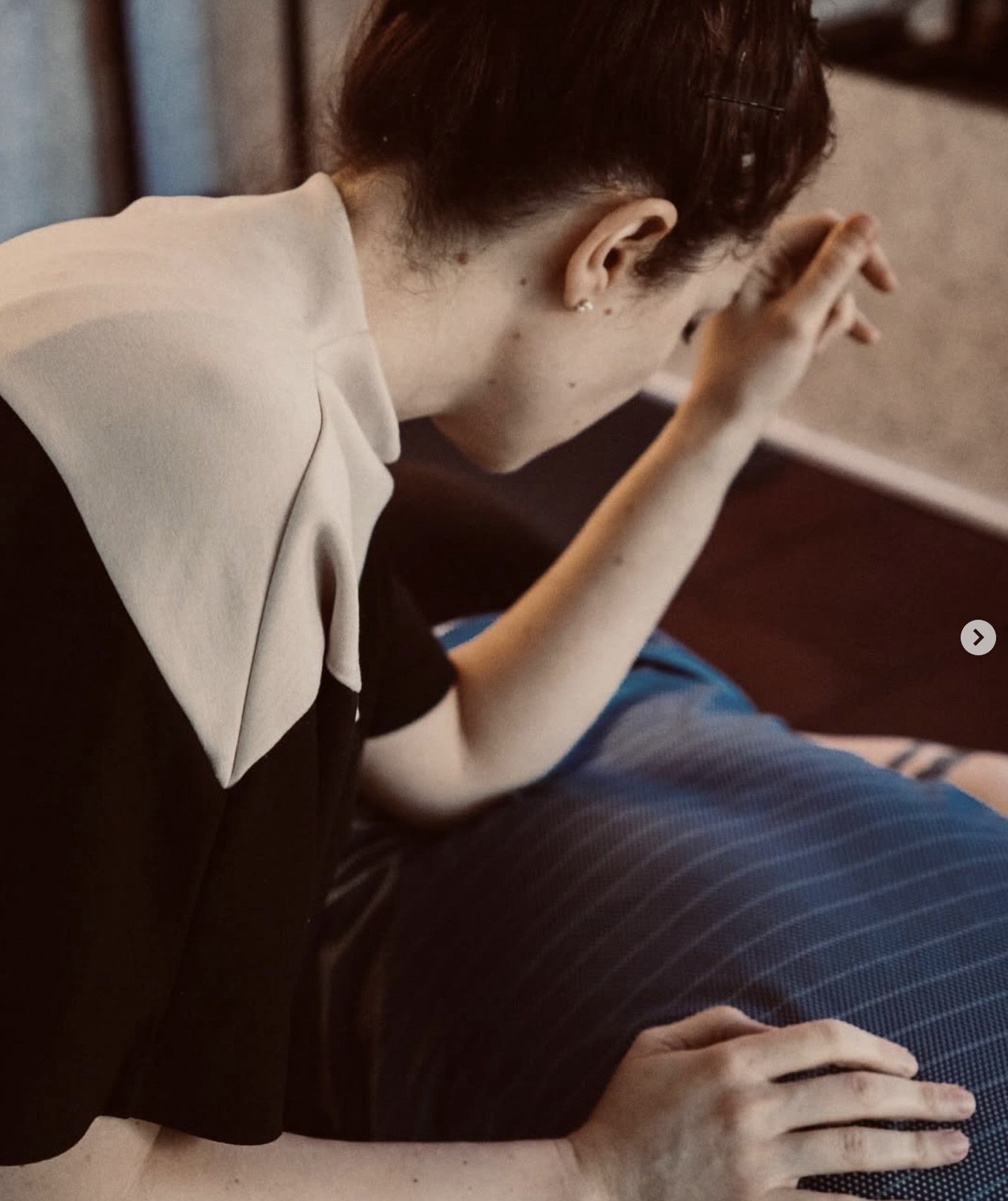
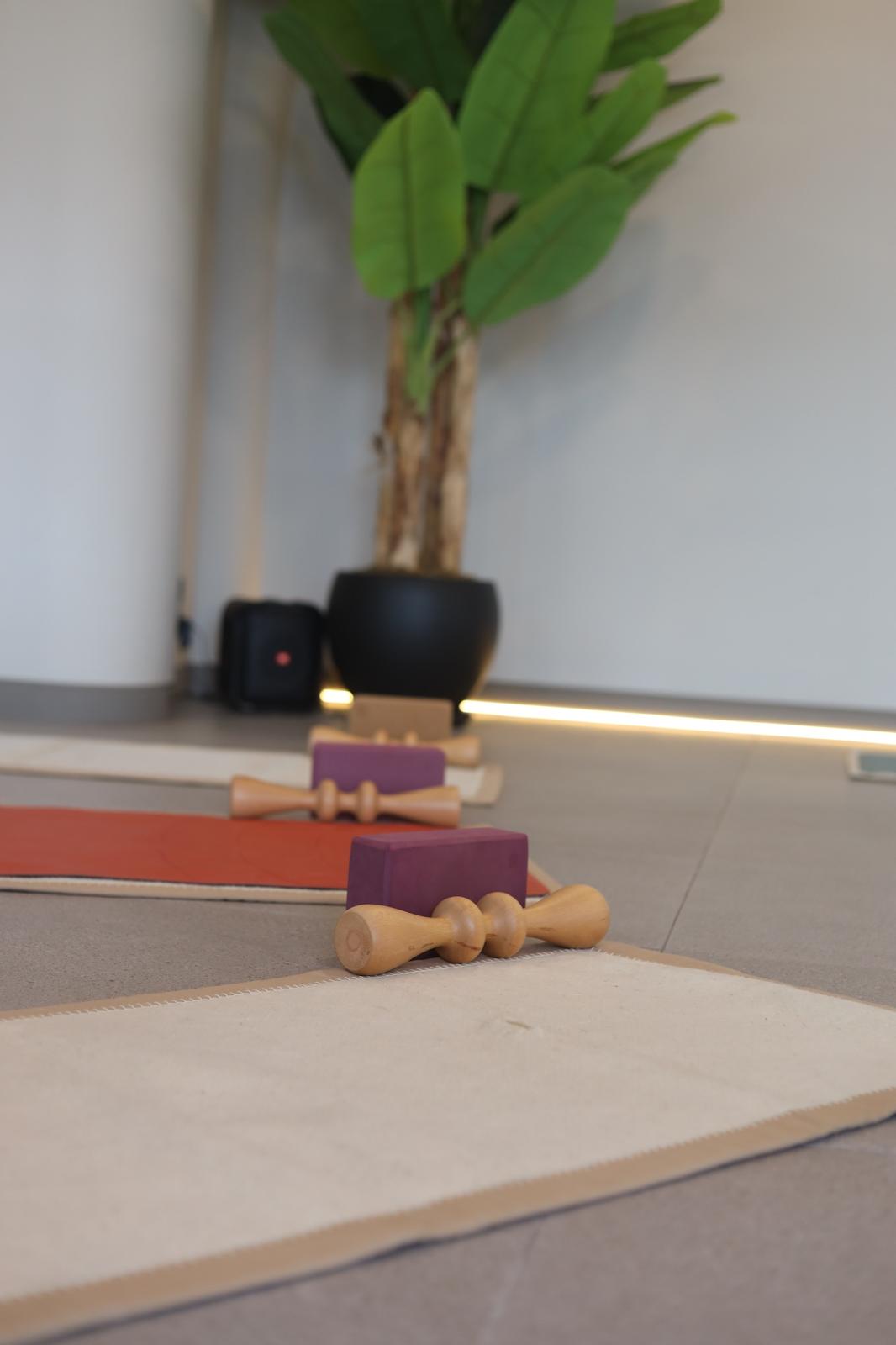
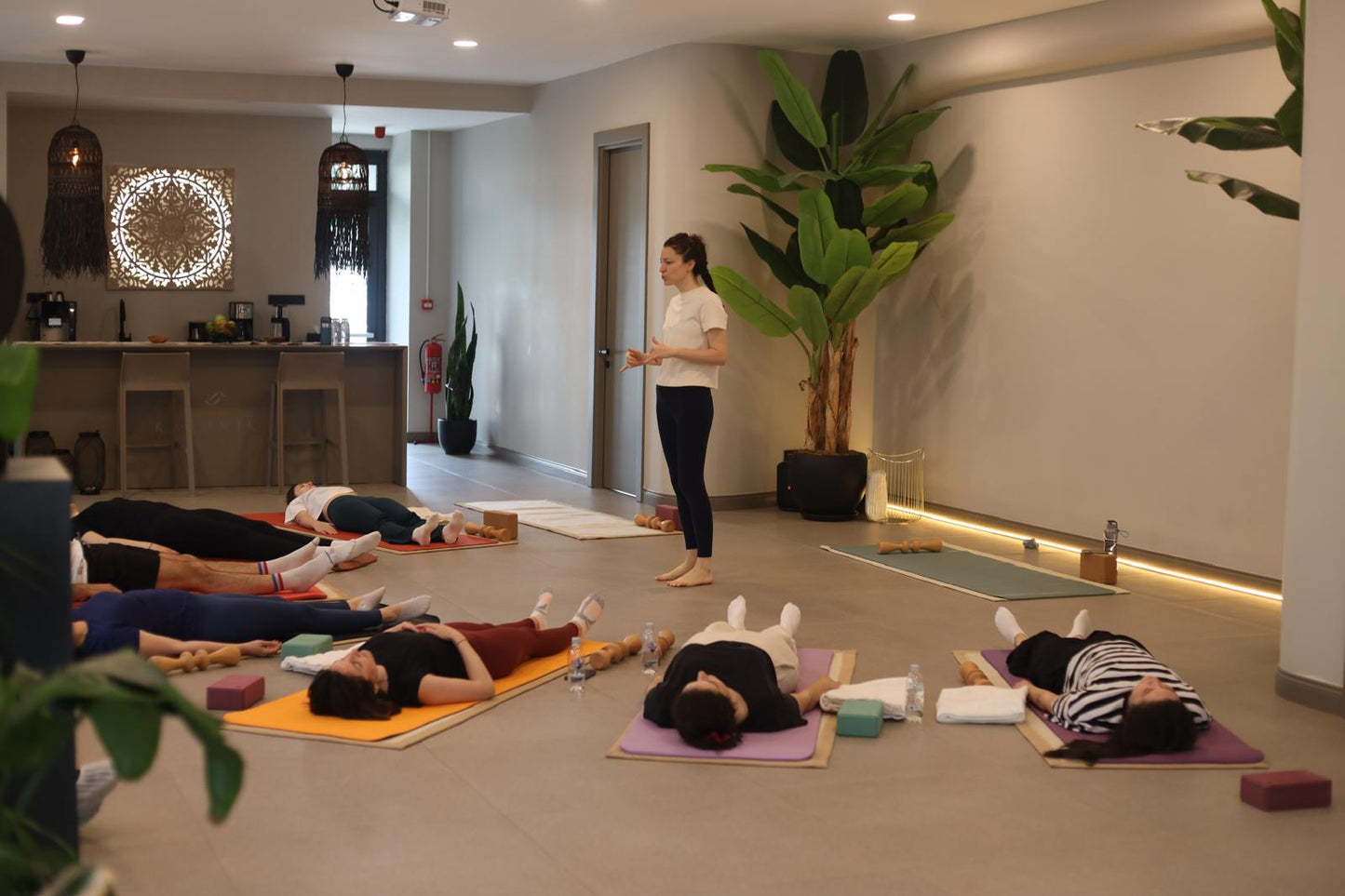
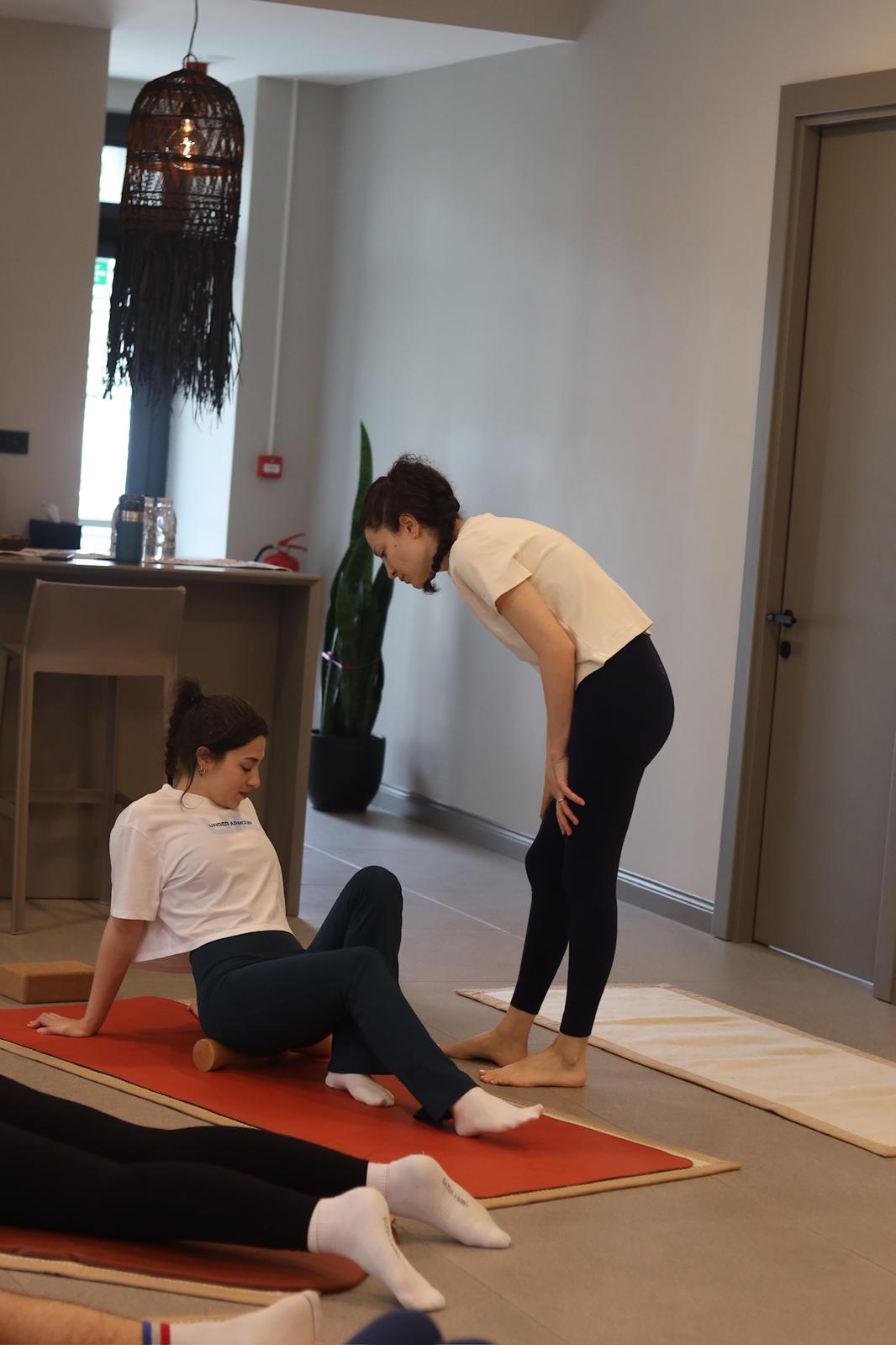
Even in Yoga…
"I should go deeper." "I should do the pose like everyone else." "I should be more flexible."
There can be moments where, while trying to perform the most perfect version of a form, we strain the breath and silence the sensations rising from inside the body.
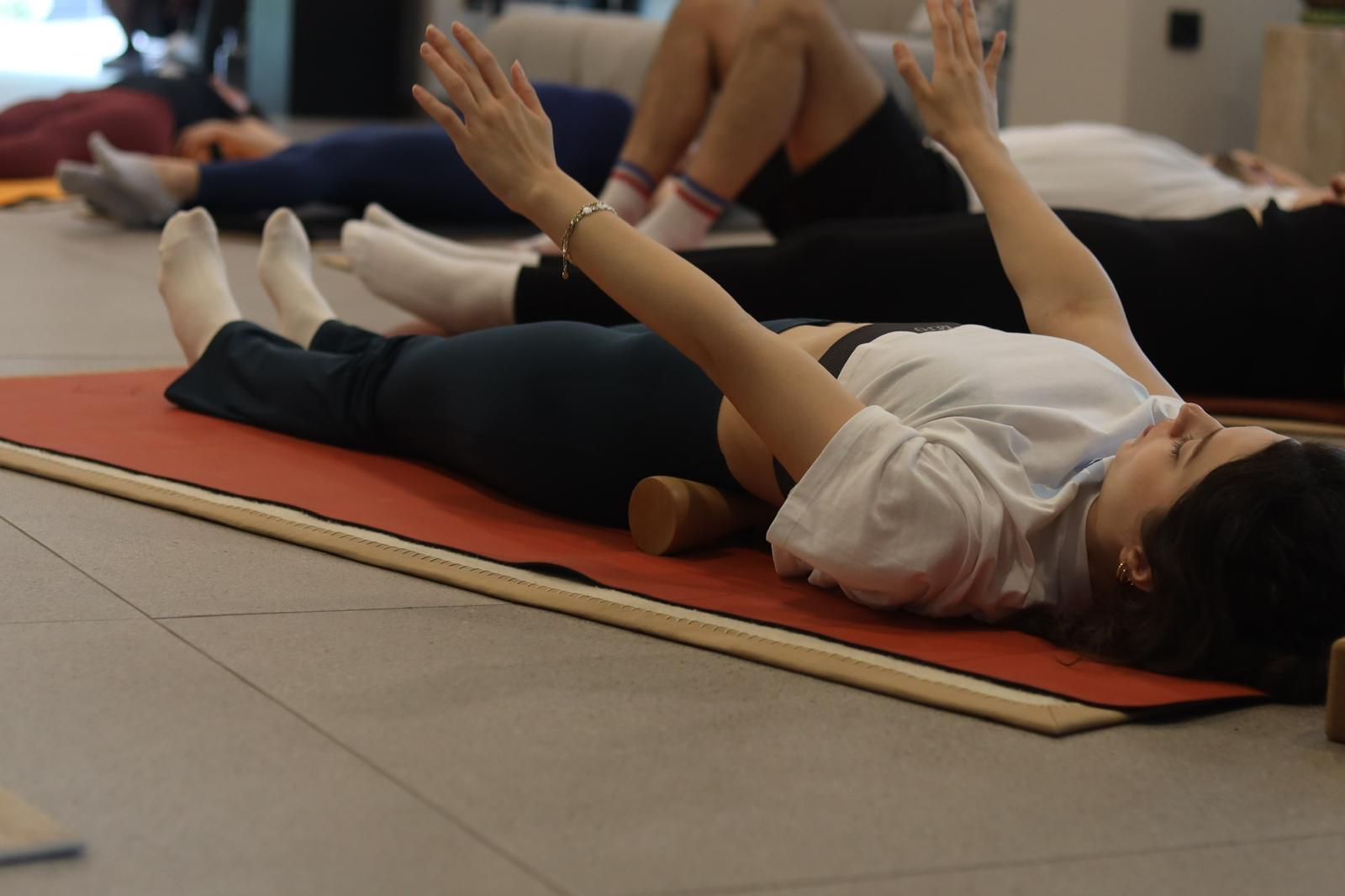
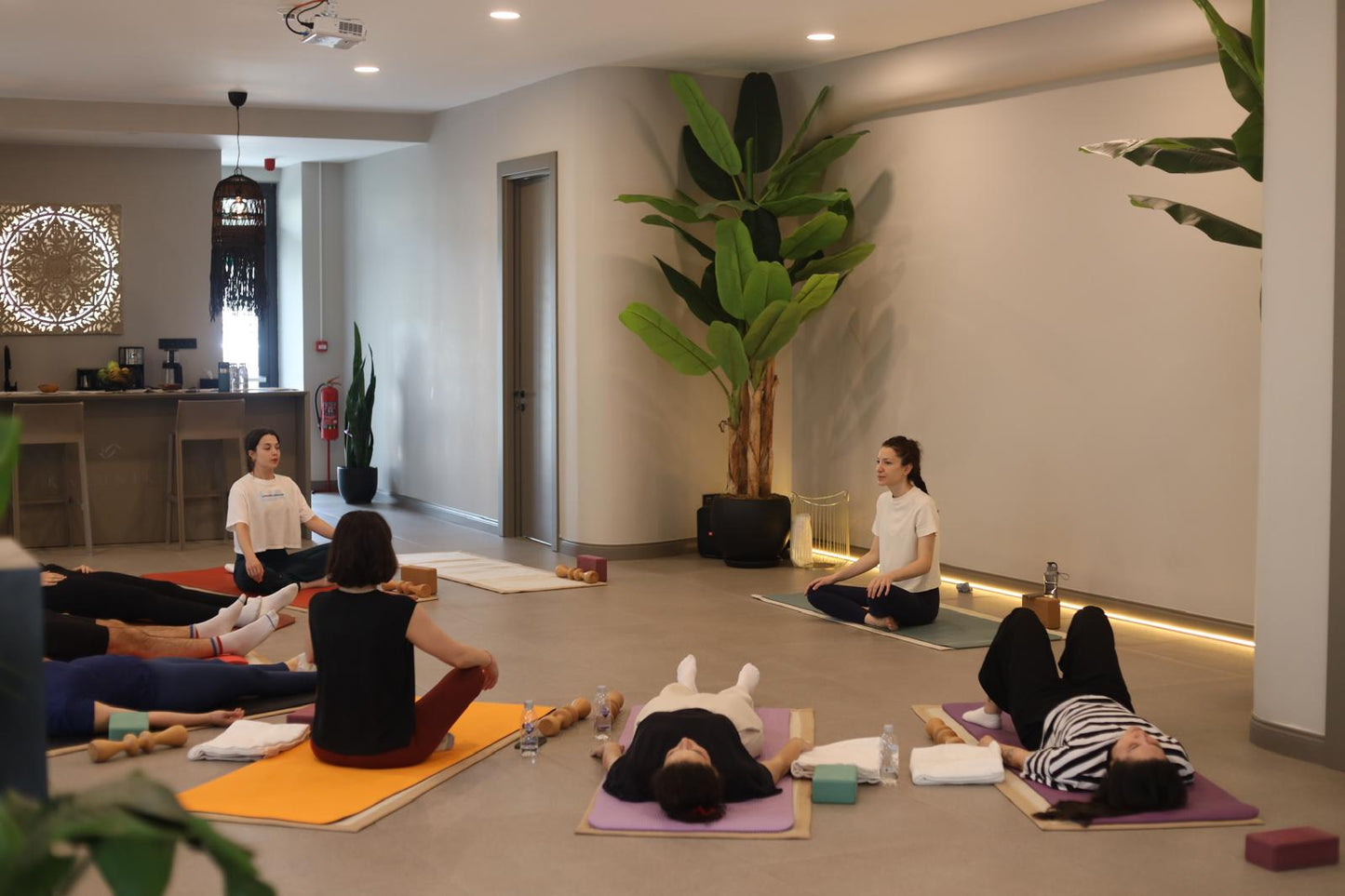
But yoga isn't an attempt to perfect a shape — it's a practice of building relationship with the body.
Maybe today your body wants to move less. Maybe it wants to breathe more slowly. Maybe it just wants to stop.
And maybe that is exactly the 'best practice' for that day.
Wabi-Sabi: The Beauty of the Imperfect
The Japanese aesthetic concept of wabi-sabi isn't about perfection — it's about accepting what is incomplete, transient, and natural.
When a piece of ceramic cracks, the art of kintsugi — repairing the cracks with gold rather than discarding the piece — is a beautiful example of this. The cracks aren't hidden; instead, they become visible as marks of a life lived.
Perhaps people are the same. What we've lived through, the places we've broken, our changing states, our fatigue, our limits… These aren't flaws to be corrected. They're the traces life leaves behind.
Wabi-sabi reminds us not to be flawless — but to be real.
Nature Isn't Perfect — It's Natural
Not all the branches of a tree are the same. The sea isn't the same every day. The seasons change. Flowers bloom, wilt, and return.
Nature doesn't try to be perfect. Perhaps that's exactly why it's beautiful.
So why do we expect ourselves to show up every day with the same energy, the same motivation, the same capacity?
Perhaps What's Perfect Is…
Being able to recognise your limits. Being able to feel your needs. Being able to stop, sometimes. Being able to remember you don't have to resemble anyone else. And being able to feel yourself without comparing it to others.
Because perhaps perfection was never about being flawless.
As wabi-sabi quietly whispers: it's being able to relate to what's incomplete, what's unfinished, to our ever-changing and transforming state — to the person we actually are.