What Do Screens Leave Behind in the Body?
Summer is here. The pace of work has slowed, and maybe you've already gone on holiday — or you're planning to.
But here's something I've noticed: summer holidays aren't really screen-free time anymore. If anything, it's the opposite. Series marathons, scrolling through social media, hours on the beach with a phone in hand…
And then at the end of the holiday, that feeling: "I rested, but somehow I still feel empty."
Maybe the body doesn't need a holiday from routine. Maybe it needs a holiday from screens.
Where Does Screen Time Accumulate in the Body?
We tend to think of looking at a screen as a purely mental activity. But the body is working throughout — and usually without us noticing.
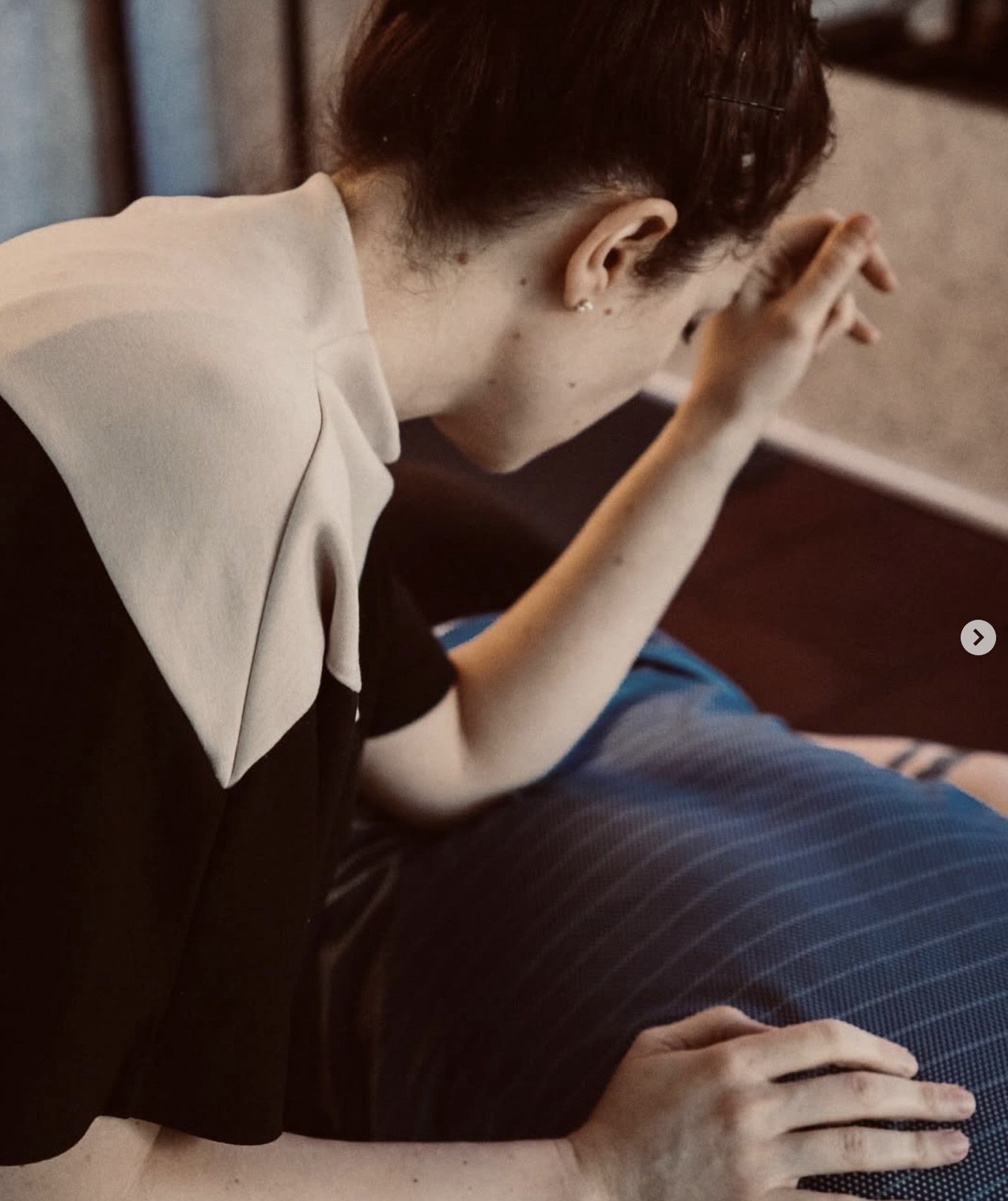
The neck reaches forward. The shoulders turn inward. The breath becomes shallow. The eye muscles are in constant tension. The jaw tightens. The hip flexors shorten.
Hours pass. The body begins to register this position as "normal". The fascia adapts to this shape. And after a while, standing up, taking a deep stretch, or simply standing upright becomes harder.
Chronic neck pain, shoulder tension, headaches, tightness in the lower back — a large part of these have their roots in hours spent in front of screens. But we rarely make that connection.
The Nervous System Gets Tired Too
Screen exposure doesn't only affect the muscles — it affects the nervous system too.
Constantly changing content, notifications, new stimuli — all of it keeps the nervous system on alert. The system works continuously to answer the question: "Is there a threat?" When this goes on long enough, the body stays in a state of chronic alarm.
And when you lie down at night, the mind doesn't stop — because this has become the habit. The rhythm of the screen you switched off hours ago is still running.
Closing the screen isn't enough. The nervous system also needs time to come out of that rhythm.
Why Doesn't a Summer Holiday Always Feel Restorative Enough?
You went on holiday, you sunbathed, you swam. But a few days in you noticed: the phone is back in hand, content is flowing again, the mind is running again.
This isn't a coincidence. For the body to truly rest, a change of location alone isn't enough. For the nervous system to genuinely slow down, different stimuli, a different rhythm, and some screen-free time are needed.
You don't have to leave the screen behind entirely on holiday. But if the body can spend some hours without needing it — those small windows can change a great deal.
What Does Myotherapy Do Here?
The mark that hours in front of screens leave in the body — shortened muscles, adhesions in the fascia, chronic tension in the neck and shoulders — doesn't resolve on its own over time.
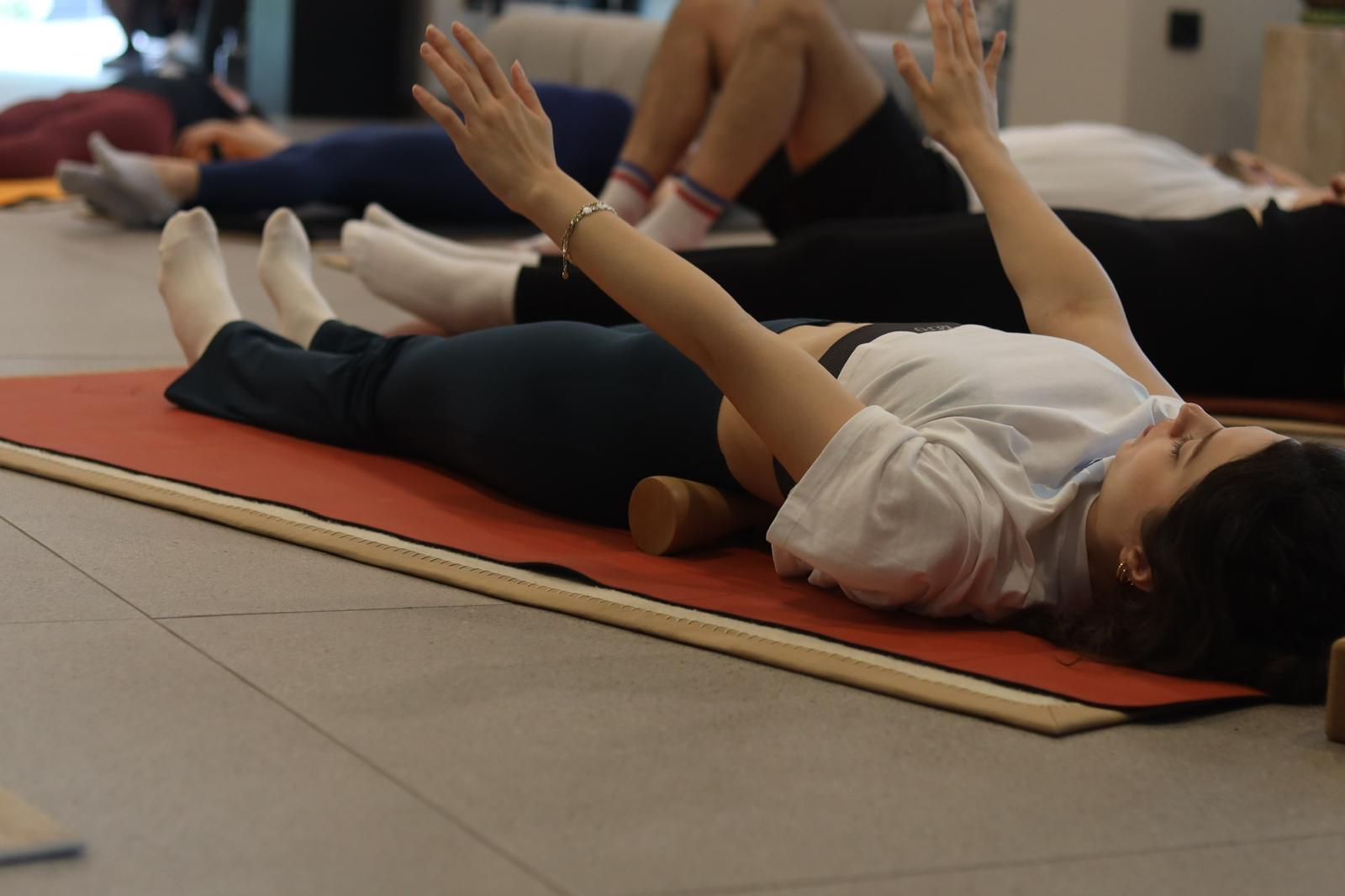
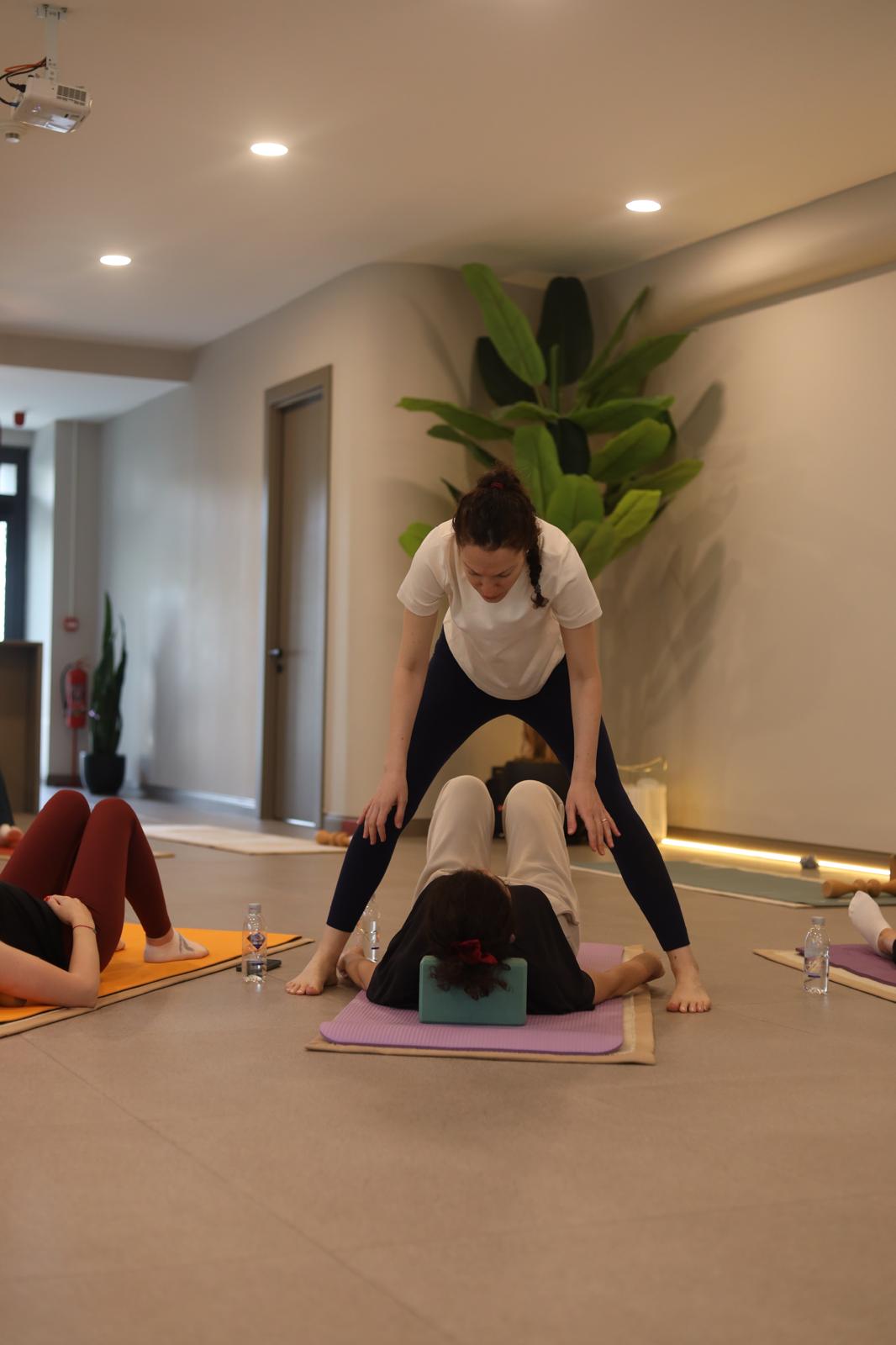
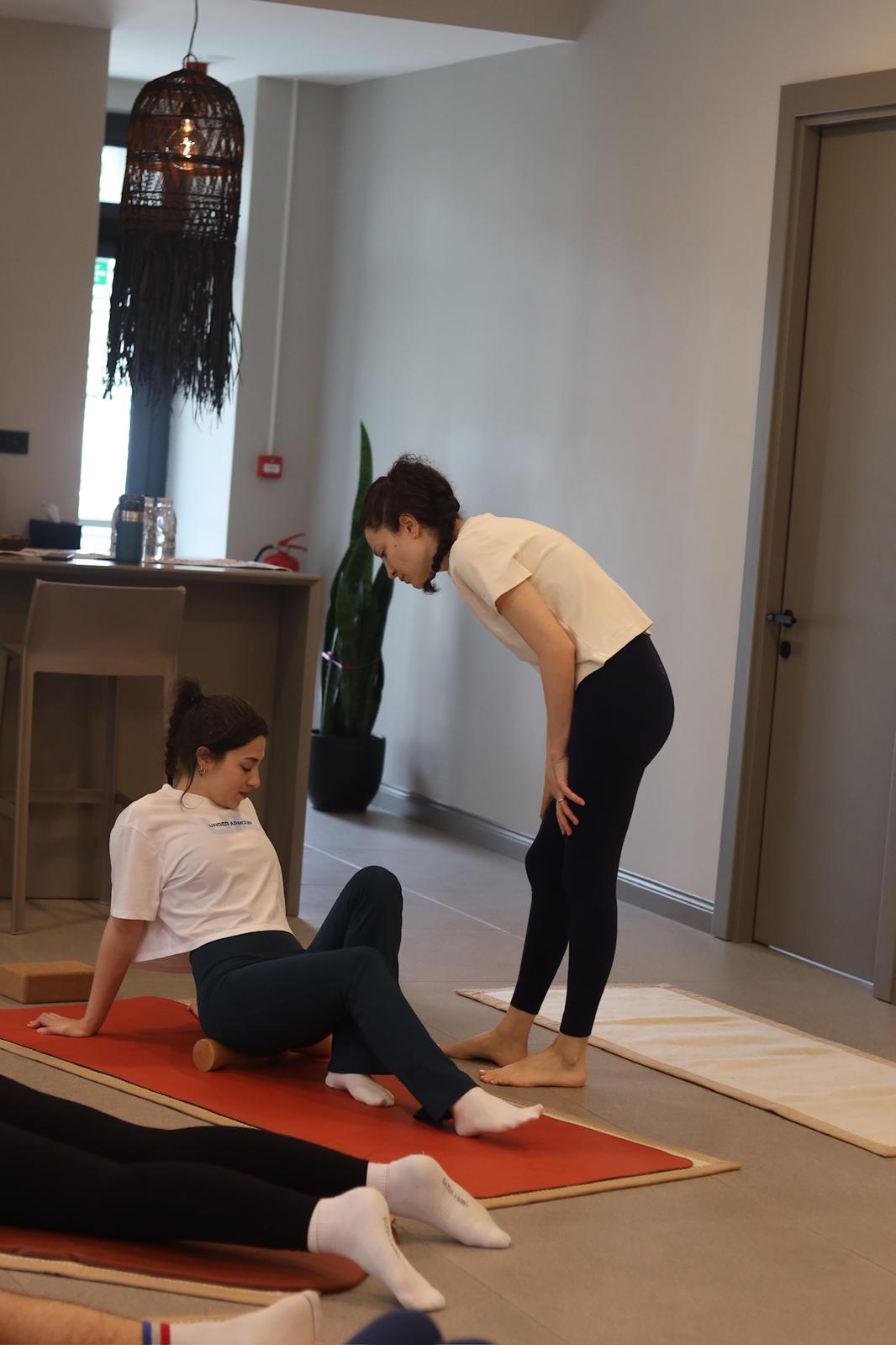
Myotherapy works to release this accumulated tension. The deep muscles and fascial structures around the neck, shoulders, chest, and hips are released. The breath deepens. Posture shifts.
But beyond that, during the session the nervous system also receives a message: "I don't have to be on alert." And sometimes that message can be more deeply restorative than any holiday.
A Small Summer Suggestion
Whether you're on holiday or in daily life, you might try this:
At least once a day — 20 minutes without a phone. No podcast, no music, no news. Just where you are: the sound of the sea, the wind, your own breath.
You might feel uncomfortable in the first few minutes. That's normal — the nervous system is used to stimulation and will want to fill the silence. But a few minutes later, the body begins to slow.
The body remembers this stillness. All it needs is a little space to remember.
A holiday is sometimes not a change of location —
it's a reduction in stimulation.
And the body knows this very well